On many Waikiki mornings, trade winds stay under 10 knots, and that small number can mean the difference between a gentle bounce and a seat-gripping hop. You’ll usually feel a light bob on short runs along the shore, with clear panels, blue water, and the soft thrum of the motor under your feet. But when the breeze builds and the route opens up, the ride changes fast, and that’s where your timing starts to matter.
Key Takeaways
- Waikiki glass-bottom boat rides are usually mildly bouncy, not extreme, on the short nearshore run toward Diamond Head.
- Chop increases when trade winds reach 15–20 knots, especially on the exposed stretch from Kewalo Basin toward Diamond Head.
- Morning trips before noon are typically calmer, with steadier views and better glass-bottom visibility than afternoon departures.
- Smaller boats feel bumps more directly, while larger Coast Guard inspected double-decker vessels with stabilization systems ride more comfortably.
- Wind, glare, and stirred sediment can reduce visibility, making turtles, fish, and coral harder to see during choppier conditions.

Oahu Grand Circle Island Experience from Waikiki
Enjoy Grand Circle Island experience tour with breathtaking views of Amelia Earhart Lookout on Diamond Head, admire Chinaman’s Hat in front of Kualo...

Waikiki Turtle Snorkeling & 6-in-1 Adventure with Free Pickup
Experience a special turtle snorkeling adventure in Waikiki aboard a smooth and comfortable catamaran. This all-in-o...
Oahu Circle Island Snorkeling Tour: Dole, Pali Lookout & More
Looking for the BEST VALUE & MOST COMPLETE Circle Island Snorkeling Tour? Join us for the ultimate full-day, action-...

Waikiki Glass Bottom Boat Cruise
Experience the beauty of Oʻahu South Shore as we sail toward Lēʻahi (Diamond Head) aboard the spacious Haleiwa Qu...
How Choppy Is the Waikiki Glass-Bottom Boat?
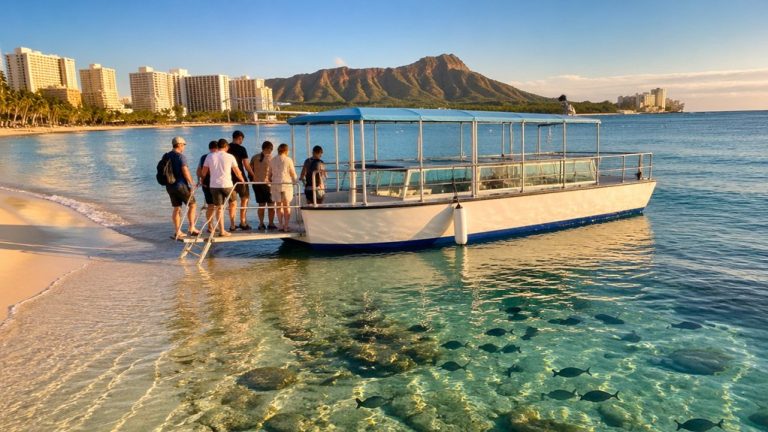
How choppy is the Waikiki glass-bottom boat, really? On a typical Waikiki Glass Bottom Boat trip, you’ll feel some bounce, not a roller-coaster slam. Because it’s a short tour and a shoreline cruise that heads toward Diamond Head, the motion usually stays milder than on open water. Still, choppy seas can show up, and you’ll notice them. If you’re prone to seasickness, keep that in mind. Rougher water can blur visibility for glass-bottom viewing, especially when glare clouds the panels. On calmer runs, you’ve got a better shot at spotting turtles and fish below. In windy conditions, though, the ride may feel livelier and the ocean may look more wrinkled than postcard-perfect. Think splashy, scenic, with soft engine hum and salt spray tapping your ankles now aboard. Before you book, checking the typical cost breakdown can help you compare tour options along with likely sea conditions.
What Makes Waikiki Glass-Bottom Rides Rough?
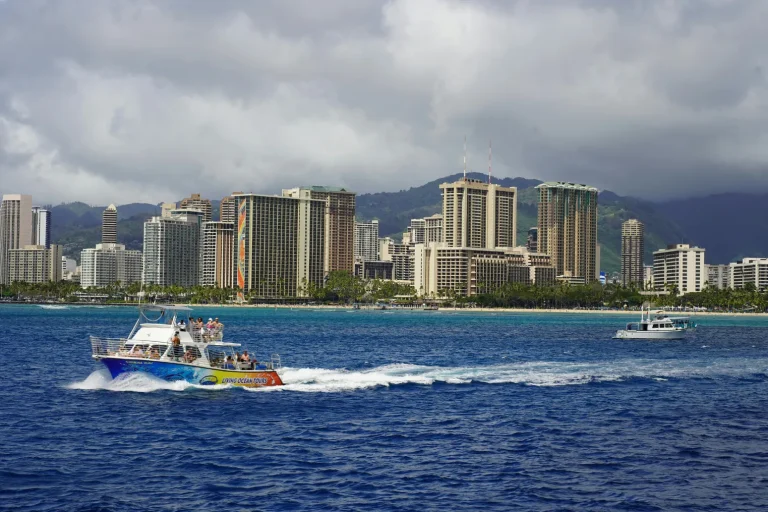
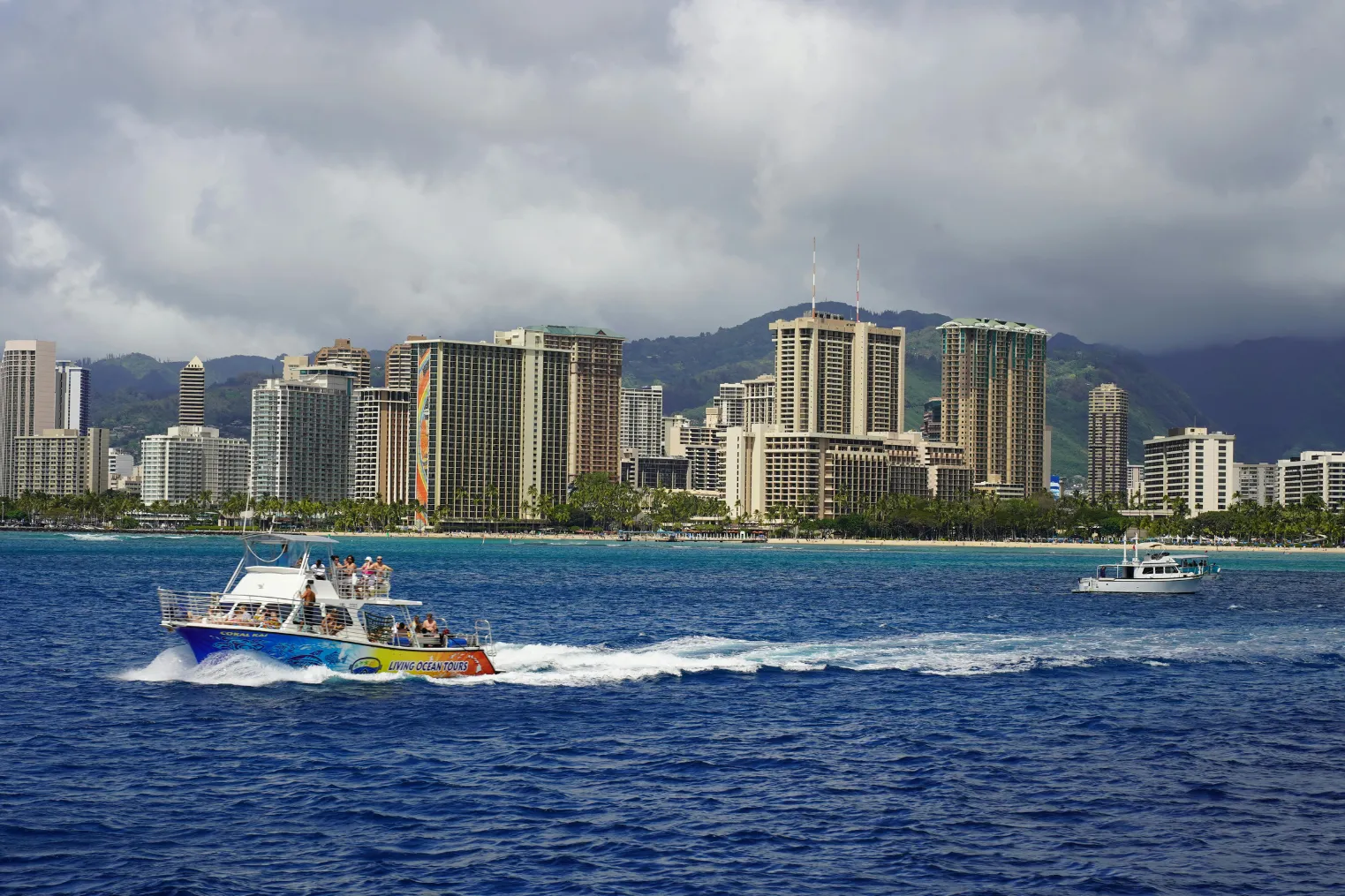
When the trade winds kick up past about 15 to 20 knots, Waikiki’s usually friendly south shore starts tossing around a lot more chop, and you’ll feel it on a glass-bottom ride. Those trade winds create choppy seas, and the run from Kewalo Basin toward Diamond Head leaves you more exposed to swells and shifting sea conditions. If your glass-bottom boat is smaller, boat size matters fast. Less freeboard and side viewing panels can pass every bump right to your seat. Recent heavy rain can also stir up turbidity, while afternoon breezes often add slap on the surface. Even moderate weather can feel lively when visibility drops and the hull starts tapping over short waves. It’s the ocean calling the shots, not the crew. Forecasters also expect hazardous seas to build statewide Monday night into Tuesday, with peak wave heights reaching roughly 15 to 19 feet in some Hawaiian coastal waters.
How Does Rough Water Affect Views and Wildlife?
Rough water doesn’t just jostle the ride. In choppy seas, surface glare and ripples cut glass bottom visibility, so you lose fine coral texture and tiny fish first. Boat pitching and rolling creates a shortened viewing window, which makes turtle sightings and dolphin sightings feel like blink-and-miss moments. In calmer conditions, water clarity in Waikiki can make glass-bottom views far easier to enjoy.
| Effect | What you notice |
|---|---|
| surface glare | More shimmer, less detail |
| wave-driven turbidity | Lower water clarity |
| crowding at viewing panels | Blocked sightlines |
| rough motion | Wildlife appears briefly |
If wave-driven turbidity stirs sediment, water clarity can turn gray and murky. You may still catch turtles surfacing, but overall wildlife spotting drops, and the glass-bottom magic gets a little seasick too. You’ll hear squeaks, shifting feet, and nervous laughs as everyone tries for the best angle below the boat.
How Do You Choose the Calmest Waikiki Boat Trip?
Usually, the calmest Waikiki boat trip starts early, before noon, from Kewalo Basin Harbor and heads toward Diamond Head, where the South Shore often looks smoother and the water through the panels appears cleaner and brighter.
For a Waikiki glass bottom outing, look for morning departures on a Coast Guard inspected double-decker vessel with a stabilization system, since gentler sea conditions matter. Stick to a one hour route along the nearshore South Shore instead of longer offshore runs. Scan recent reviews for notes about cloudy panels, rain stirred water, or chop. If you want comfort, choose shaded seating and follow basic motion sickness tips before boarding. You’ll usually get steadier views, photos, and that bonus of hearing the hull hum while fish flicker below. In the morning vs afternoon comparison, morning trips are typically the better choice for calmer conditions in Waikiki.
Frequently Asked Questions
Is the Waikiki Glass-Bottom Boat Wheelchair Accessible?
Yes, you’re often able to board, but you’ll need to confirm wheelchair boarding, accessible seating, transfer assistance, companion policies, ADA compliance, ramps availability, stability accommodations, service animal acceptance, accessible restrooms, and visual announcements before booking directly.
Are Children Allowed on Waikiki Glass-Bottom Boat Tours?
Yes, your little sailors are welcome; check age restrictions, attend the safety briefing, and you’ll ask about lap seating, life jackets, stroller policy, supervised minors, ticket discounts, seating availability, child fares, and pediatric emergencies early.
How Long Does a Typical Waikiki Glass-Bottom Boat Tour Last?
You’ll usually spend about one hour aboard; the typical duration, tour length, average timing, cruise length, trip duration, sailing time, excursion length, outing duration, ride timeframe, and tour schedule generally stay easy to plan ahead.
Is There a Restroom on the Waikiki Glass-Bottom Boat?
Yes, you’ll usually find a restroom onboard; check restroom location, restroom cleanliness, restroom accessibility, restroom size, restroom privacy, restroom availability, restroom facilities, restroom maintenance, restroom signage, and restroom capacity before you book, so you’re comfortable.
What Should I Wear on a Waikiki Glass-Bottom Boat Ride?
Dress like paradise might file a complaint: you’ll want light breathable, layered clothing in quick dry fabrics, sun protective clothing, swimsuit under, comfortable footwear, non slip sandals, sunglasses with strap, wide brim hat, waterproof bag too.
Conclusion
If you want the smoothest ride, book a morning trip and stick to the shorter shoreline route. When trade winds hit 15 to 20 knots, you’ll feel more bounce and hear more hull slap, especially leaving Kewalo Basin. In calmer water, the glass panels stay clearer, and you’ve got a better shot at spotting turtles, reef fish, and the bright sand below. Think of it as simple timing, not bravery.