A boat ramp can feel like a small bridge between a simple outing and a stressful surprise. Before you book the Waikiki glass bottom boat, you’ll want the plain facts. Ask how many steps you’ll face, whether the ramp has handrails, and if the crew usually helps with transfers. Check wheelchair limits, seat space, shade, and restroom size too. The water may look calm and bright, but the real story starts at the dock.
Key Takeaways
- Ask for the exact number of dock, ramp, and boat-entry steps, plus whether handrails are available throughout boarding.
- Confirm if collapsible manual wheelchairs or walkers are allowed, and whether motorized wheelchairs or scooters must remain ashore.
- Ask whether crew can assist with boarding, transfers, and crutches, and how early you should arrive for help.
- Verify restroom doorway width, seating layout, and whether shaded seats near the fixed viewing windows are available.
- Ask about parking proximity, walking distance from the lot, and whether sea conditions usually require extra movement onboard.

Oahu Grand Circle Island Experience from Waikiki
Enjoy Grand Circle Island experience tour with breathtaking views of Amelia Earhart Lookout on Diamond Head, admire Chinaman’s Hat in front of Kualo...

Waikiki Turtle Snorkeling & 6-in-1 Adventure with Free Pickup
Experience a special turtle snorkeling adventure in Waikiki aboard a smooth and comfortable catamaran. This all-in-o...

Oahu Circle Island Snorkeling Tour: Dole, Pali Lookout & More
Looking for the BEST VALUE & MOST COMPLETE Circle Island Snorkeling Tour? Join us for the ultimate full-day, action-...

Waikiki Glass Bottom Boat Cruise
Experience the beauty of Oʻahu South Shore as we sail toward Lēʻahi (Diamond Head) aboard the spacious Haleiwa Qu...
Can You Board the Waikiki Glass Bottom Boat?
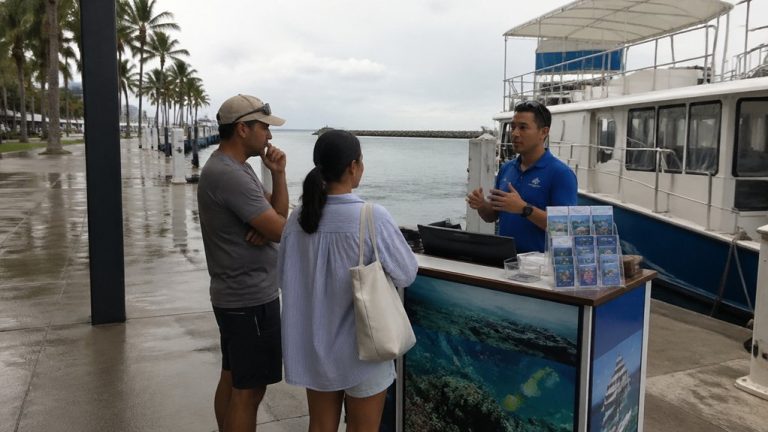
Yes, you can board the Waikiki glass bottom boat, but it helps to know exactly what the path looks like before you go. At Kewalo Basin Harbor, you’ll walk from the dock to the Haleiwa Queen and take about 15 to 20 steps to a boarding ramp with handrails. Then you step up, cross the ramp, and step down into the boat. If you have mobility limitations, arrive about 20 minutes early and tell staff you’d like crew assistance. They routinely help guests using crutches or moving carefully. For wheelchair access, call before booking. Collapsible wheelchairs and walkers can come along, which makes planning easier. The harbor air feels salty, the dock can look busy, and knowing the routine ahead of time makes boarding feel less mysterious. If you have specific concerns, ask the tour operator about Kewalo Basin boarding conditions before your trip.
What Wheelchair Limits Should You Know?
While the Haleiwa Queen can work for some wheelchair users, the key limit is that only collapsible manual wheelchairs can come aboard. If you use motorized wheelchairs or scooters, you’ll need to transfer to a seat or switch to a collapsible chair before boarding.
The boat is only wheelchair-accessible with advance confirmation, and it doesn’t have on-board lifts. Call ahead at (808) 207-2659 for crew assistance and ask about ramp width, handrails, steps, and restroom doorway size. That quick fact-check helps you judge whether your transfer needs will work smoothly. This accessible boat experience in Waikiki is possible for some guests, but only with the right equipment and boarding support arranged in advance. Service animals are welcome, but large power chairs that can’t fold stay ashore. Think practical, not pessimistic. A little planning now can save awkward surprises at the dock before your Waikiki adventure begins smoothly.
Are Seating, Shade, and Viewports Easy to Use?
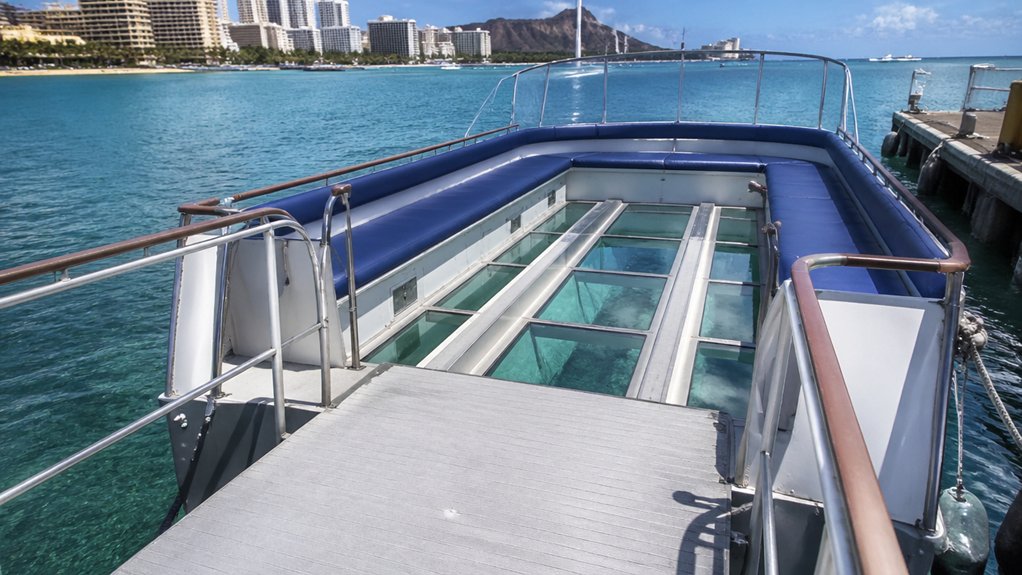
Once you know whether boarding works for your chair or transfer needs, the next question is comfort once you’re on deck. On this glass bottom boat tour, most seating sits under canopy shade, with open sides that help you stay dry and still enjoy clear outward views. Since shade covers about three quarters of the boat, arriving early helps. If you’re bringing a stroller, ask whether stroller-friendly tips include where to park it during the ride without blocking walkways.
| Feature | What to ask |
|---|---|
| Seating and shade | Can you reserve shaded seating near glass viewing spots? |
| Viewports | How crowded viewing gets around the four fixed viewports? |
The four panels are fixed below deck, so you don’t move seats for glass viewing. You stand over designated spots. Space feels decent once seated, but crowded viewing happens fast, and cloudy plexi or rough water can soften the underwater show.
How Accessible Is Parking at Kewalo Basin Harbor?
At Kewalo Basin Harbor, parking is usually one of the easier parts of the trip. You’ll find plenty of on-site parking in metered lots run by Diamond Head Parking, with rates around $1.05 to $5.24 per hour. The entrance at 1009 Ala Moana Blvd is easy to spot, and the big red Hawaii Glass Bottom Boats sign helps you zero in fast, so you won’t wander in the sun longer than needed.
If you want a shorter walk, arrive about 20 minutes early and check which Kewalo Basin Harbor parking areas sit closest to the dock. Many visitors find Glass Bottom Boat Waikiki parking especially easy compared with other activity departures in the area. Limited paid public parking also sits at either end of the harbor. If driving feels like one more vacation puzzle, buses 19, 20, and 42 stop nearby, and rideshares work well too. No shuttle serves Waikiki.
What to Ask Before You Book the Tour
Before you lock in your seats, call the tour office and ask a few plain, practical questions that can make the day much easier. Ask how many steps lead from the dock to the boarding ramp and into the Haleiwa Queen. Confirm wheelchair accommodation first. Motorized chairs and scooters aren’t allowed, so call (808) 207-2659. Ask about handrails, crew assistance, the onboard restroom doorway, and covered seating on this Waikiki Glass Bottom Boat. For older adults, asking about comfort and seating can help you choose a spot that feels more stable during the tour.
| Ask | Why |
|---|---|
| Exact step count | Slips vary |
| Wheelchair accommodation | Confirm allowed types |
| Handrails available | Better balance |
| Crew assistance offered | Easier boarding |
| Onboard restroom and seating | Check fit |
You’ll also want to ask whether you must step up and down during the cruise, and whether the ride feels calm enough for your needs.
Frequently Asked Questions
Is There Space Onboard for Folded Walkers or Portable Oxygen Equipment?
Yes, you’ll usually find storage space for folded walkers or portable oxygen aboard, but ask about bag stowage, folding dimensions, equipment straps, secure compartments, crew assistance, and underseat clearance before boarding to confirm safe placement.
Are Captions or Written Safety Briefings Available for Deaf or Hard-Of-Hearing Guests?
Yes, ask about caption availability, transcript requests, visual signage, and real time captioning; confirm caption accuracy, ASL interpretation, and whether crew can use a lapel microphone so you’ll follow safety briefings clearly during boarding too.
Can Guests With Sensory Sensitivities Request Quieter Seating Areas?
Yes, you can request quiet zones through advance requests. Ask about sensory maps, noise levels, seating swaps, headset options, and staff training. You’ll usually get stern or canopy seating away from narration, engines, and foot traffic.
What Happens if Rough Seas Worsen Mobility or Balance Issues?
On the flip side, you’ll feel increased motion sickness from sea swells; request stabilization aids, crew assistance, evacuation plans, medical contingencies, and boarding modifications, or you’ll reschedule if worsening balance makes safe travel too risky.
Are Discounted Companion Tickets Offered for Caregivers or Aides?
Yes, you’ll sometimes find caregiver pricing, aide discounts, and a companion policy offering reduced fares, subsidized tickets, attendant rates, and caregiver benefits, but you should ask each operator directly because eligibility, proof, and availability vary.
Conclusion
With the right questions, you can picture the outing before you book. You’ll know how many steps wait at the dock, whether a handrail steadies the ramp, and if a folded wheelchair fits aboard. You can ask about shade, restroom space, and the fixed viewports where fish flicker below like moving stained glass. Why guess when a two minute call can spare you a rough transfer and set you up for a smoother Waikiki cruise?