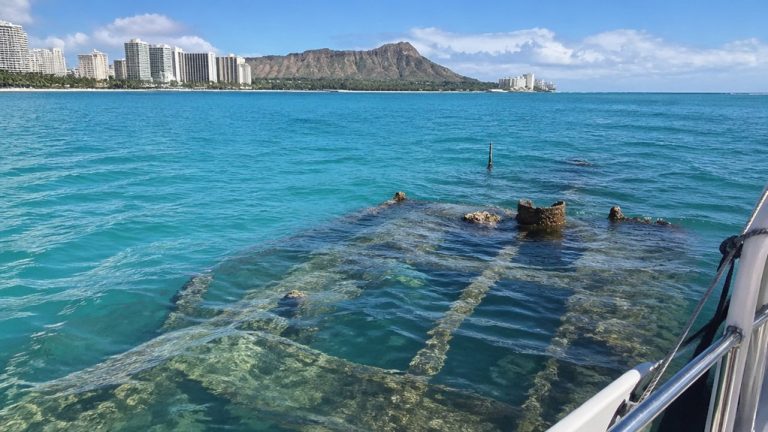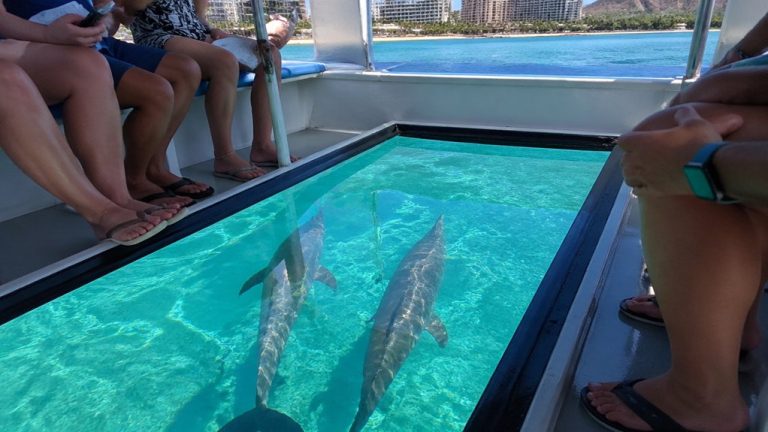
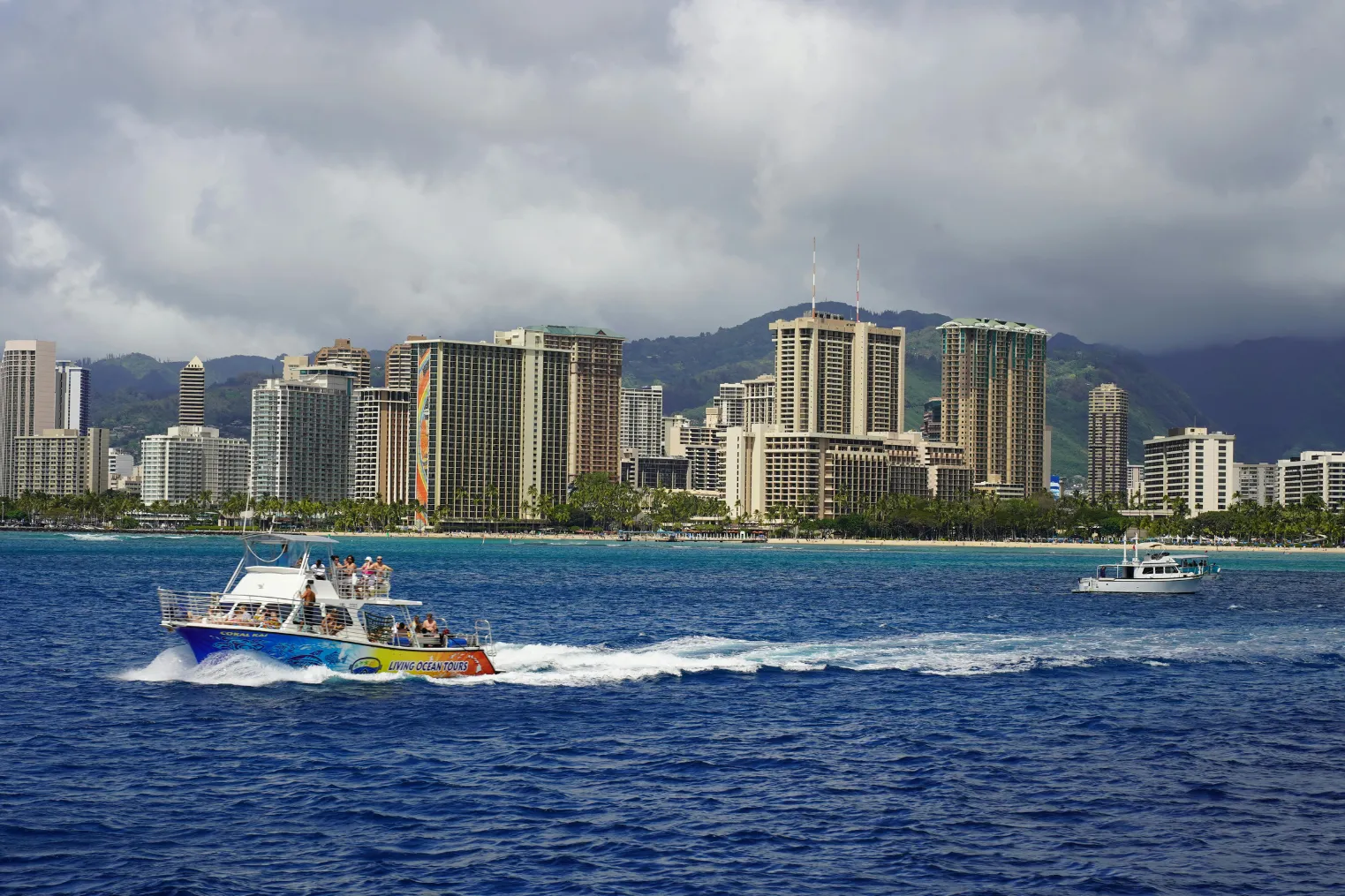
If you want Waikiki’s clearest glass-bottom views, aim for late spring through early fall, when the water often turns calmer, brighter, and clear enough to spot turtles gliding over coral and schools of yellow fish flashing below your feet. Morning trips usually look best, with less glare on the glass and a smoother ride too. Winter can still be fun, especially if whales steal the show, but that shift changes the whole outing in ways you might not expect.
Key Takeaways
- May through September is usually the best time for Waikiki glass-bottom boat tours, with calmer seas, clearer water, and stronger reef visibility.
- Summer visibility often reaches 30 to 40 feet, making turtles, tropical fish, coral, and lava formations easier to see.
- November through May shifts the experience toward whale watching, especially January through March when humpback sightings are most likely.
- Winter tours can have rougher seas, more runoff, and higher cancellation risk, which often reduces underwater viewing quality.
- For the best overall experience, book a morning trip during the dry season, ideally from May to September on a calm, sunny day.
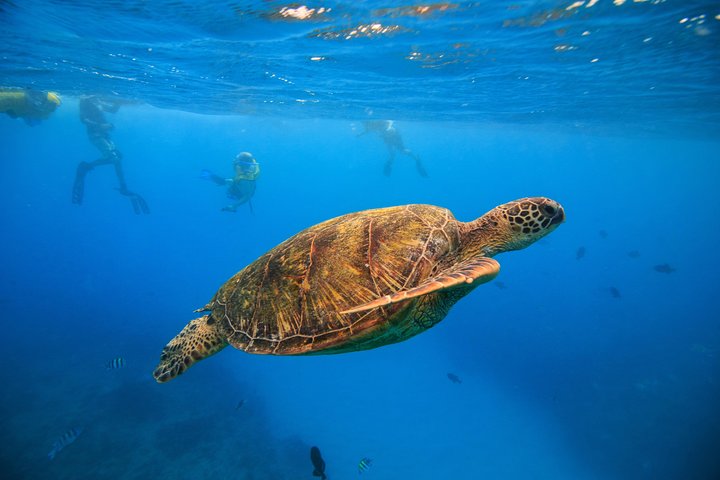
Waikiki, Hawaii: Turtle Canyon Snorkel Excursion
Discover the magic of snorkeling with Hawaiian Green Sea Turtles at Waikiki’s famous Turtle Canyon. On this 2-hour snorkeling tour, you’ll cruise...

Waikiki: 2-hour Turtle Canyon Snorkeling Adventure
Join us for a 2-hour snorkeling adventure at Turtle Canyon, one of Oahu’s top snorkeling spots! Cruise along the s...

Waikiki Turtle Canyon Snorkel: Turtles Guaranteed
Book our Turtle Canyon snorkel tour and experience one of Waikiki’s most popular turtle snorkeling destinations! D...
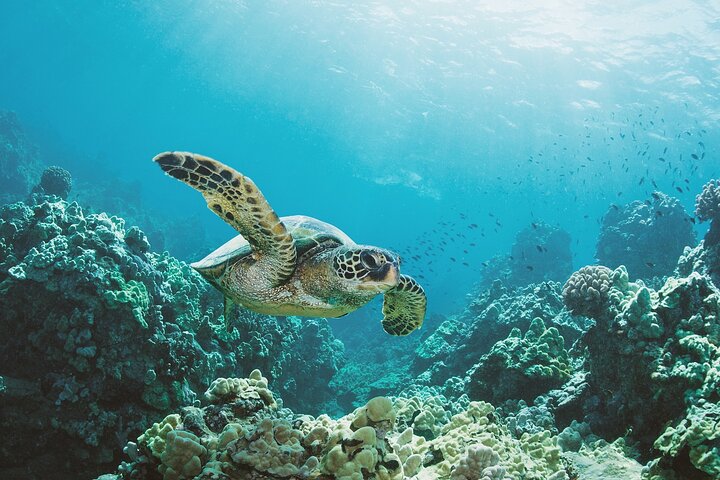
Waikiki: Turtle Canyon Snorkel Adventure on Oahu
Enjoy an exclusive snorkeling adventure in Waikiki with small group sizes for a comfortable and VIP experience. You...
Best Season for a Waikiki Glass Bottom Boat
Often, the best season for a Waikiki glass bottom boat ride depends on what you want to spot below, or beside, the boat. If whales top your list, book between November and May, when humpbacks pass Oahu and sometimes surface with a breathy whoosh beside you. Sightings usually peak from January through March, so your odds climb then.
If you care more about fish, coral, and that aquarium-clear look through the glass bottom boat, timing gets trickier. Winter can bring rain, runoff, and choppier seas, which dull the view below even on a beautiful day. You’ll usually get calmer water by heading out in the morning, before trade winds rough up the surface. Think early departures, salty air, and fewer squints through ripples. For the brightest underwater views, morning departures are usually your best bet in Waikiki.
Why May Through September Is Best
From May through September, you get Waikiki at its clearest and calmest, with lighter tradewinds, gentler seas, and warm water that makes the glass-bottom view noticeably sharper. You’re also more likely to spot reef fish and honu near the surface, especially on early morning cruises when the ocean often looks smooth as blue-green glass. This is when water clarity in Waikiki tends to make glass-bottom boat views especially crisp. Whale season is fading by then, but you trade those long-shot sightings for a much better chance to see reefs and shipwreck features without the water going cloudy on you.
Calmer Summer Ocean Conditions
Because Waikiki’s summer ocean usually settles down between May and September, this is the sweet spot for a glass-bottom boat trip. You’ll often get lighter trade winds, less swell, and calmer summer ocean conditions that make the ride feel steadier from the start. With lower South Shore wave heights than winter, boats like the Haleiwa Queen stay more stable, so you can stand by the viewing panels without bracing like a surfer on a bus. Summer also brings fewer wind-related cancellations and shuttle hiccups, which means your cruise is more likely to leave on time. In contrast, Hawaii coastal waters can see hazardous seas building to 15 to 19 feet during winter storm periods, especially from Monday night into Tuesday with strong northwest swell. If you want the best shot at smooth water, book a morning departure. Afternoon seabreezes or quick squalls can still stir things up, even in summer now and then.
Peak Visibility And Wildlife
That smoother summer water pays off below the surface too, and May through September is when Waikiki usually looks its sharpest through the glass. You’ll often see 30 to 40 feet down, thanks to smaller swells and cleaner water. Warm 77 to 82 degree seas wake up the reef, so turtles, tropical fish, and even spiky sea urchins show off more reliably on your glass bottom boat tour. Winter chop can stir sand and blur the scene, but summer often keeps the underwater picture crisp and surprisingly busy daily. The best time of day for this added clarity is usually morning, when calmer seas and lower glare make the underwater view even easier to enjoy.
- Morning trips usually bring calmer views and less glare.
- Whales are gone by May, but reef action gets steadier.
- Lighter winds help the viewports stay clear.
- Summer crowds grow, so book early and go early.
Winter Conditions for Waikiki Glass Bottom Boats
While winter can bring a little more motion to the water, it also adds a sense of surprise to a Waikiki glass-bottom boat ride. You might catch distant humpback blows or a breach during whale watching, even though the whales stay above the glass and not below it. On some tours, glass-bottom boats in Waikiki can still give you a chance to spot whales at the surface while viewing reef life below. Trade winds and storms can roughen the surface, so crews sometimes shift schedules or cancel trips. Keep your plans flexible and confirm details the same day.
After heavy rain, runoff can cloud the water for hours and mute the reef view through the windows. Cooler temperatures and winter plankton changes can shuffle fish behavior, too. Sometimes marine life bunches up. Sometimes the ocean turns a bit moody, like it skipped coffee before work that day entirely.
Still comparing Turtle Canyon?
Ask for tour ideas, hotel suggestions, or a simple trip plan that combines both.
Trip Helper
Best Time of Day for Clear Views
You’ll usually get the clearest glass-bottom views in the morning, when Waikiki’s water looks smoother, the glare stays low, and fish and reef details pop into focus. By midday, the high sun can brighten the colors below the boat, but once afternoon winds start ruffling the surface, that nice window can fade fast. If you want the sharpest look through the glass, aim for a calm sunny start and let the later hours be your backup plan. For most visitors deciding between morning or afternoon, the morning trip is usually the better choice for visibility.
Morning Water Clarity
In the morning, Waikiki usually gives glass-bottom boats their clearest window into the water. You’ll see more through the glass when winds stay light, chop stays down, and glare eases off. During tradewind season, book early before breezes build and the reef, fish, and shipwreck sharpen into view.
For comfort on glass bottom boat tours, wear light, breathable clothing that works well in warm Waikiki morning conditions.
- Pick a morning trip from sunrise to mid-morning for the cleanest look below.
- From April to October, early departures usually beat the wind.
- From November to March, target calm mornings after several dry days to avoid swell and runoff haze.
- Check forecasts first. If morning winds push past 10 to 15 mph, clarity can drop as sediment stirs.
Get the timing right, and the ocean starts acting like polished blue-green glass today.
Afternoon Light Conditions
As the sun climbs toward midday, the view through a Waikiki glass-bottom boat often gets sharper and richer. In the afternoon, especially from about 12:00 to 14:00, sunlight drops more directly into the water. You get better contrast on coral heads, darker lava shapes, and quick flashes of reef fish. Early angles can bounce glare off the surface, but higher sun usually helps the glass panels do their job.
One key difference in the glass-bottom boat vs submarine tour experience is that direct overhead sunlight benefits surface viewing more than enclosed underwater cabin viewing. Still, you should watch the wind. Trade breezes often build after midday, and chop can stir sand and soften the scene. If reflections sneak across the viewport, shift to a shaded seat or lower your face closer to the glass. During whale season, you can spot blows anytime, but morning to early afternoon boosts views.
Why Morning Trips Usually Look Better
Because Waikiki usually wakes up gentler than it ends the day, morning glass-bottom boat trips often give you the sharpest view. You get calmer seas, lighter winds, and less bounce, so the glass panels reveal more reef texture, quick fish flashes, and turtle shapes below. Even when people wonder about rough Waikiki waters, these boats are usually least choppy earlier in the day.
Morning glass-bottom trips in Waikiki usually bring calmer seas, less bounce, and clearer looks at reef, fish, and turtles below.
- Before 10 AM, smoother water cuts glare and helps you see finer details.
- Lower sun angles send light deeper, so coral heads and sandy patches look clearer.
- Afternoon winds often roughen Oahu’s coast and stir sediment, but morning trips usually beat that haze.
- From November through May, you may spot humpbacks above water while still scanning reef life below, and you’re less likely to face weather disruptions when operators trim schedules or cancel runs on windier days for safety.
Is Sunset Good for a Glass Bottom Boat?
Usually, sunset looks better above the water than below it on a glass-bottom boat. If you want reef fish, sea turtles, and crisp coral details, sunset isn’t your best window. The low sun throws glare across the viewing ports and fading light softens colors and blurs the seafloor. You can still enjoy the ride, though. Waikiki’s skyline glows, Diamond Head turns dramatic, and the water picks up bronze highlights. A sunset glass-bottom boat trip in Waikiki is worth it if your priority is scenery and atmosphere rather than the clearest underwater viewing. A sunset glass-bottom boat trip works best when you want ambiance and photos, not underwater action. During whale-watching season, from November to May, you might spot blows or breaches on the surface. If marine life below the glass is your main goal, book mid-morning to mid-afternoon instead. You’ll see far more color, motion, and texture.
How Wind Changes the Ride
Even on a bright blue Waikiki morning, wind can make or break a glass-bottom boat ride.
- You’ll usually score the clearest views before 10:00 or 11:00 AM, when Oahu mornings stay calmer and the sea looks more like tinted glass.
- By afternoon, trade winds often rise. Wind speeds above ~15–20 knots commonly create chop that reduces visibility through glass viewports and can force cancellations or shuttle stoppages for safety.
- Crosswinds and gusts add extra motion, even on catamarans. Glare scatters, and honu, eels, and fish schools get harder to spot.
- Check the local wind forecast and your operator’s morning update. In whale season, calmer days also sharpen surface sightings and even whale song. That’s your cue to book early and bring a light layer.
If showers move in too, a rainy day guide can help you decide whether to go ahead or reschedule.
When Rough Seas Can Cancel Tours
While Waikiki often looks postcard-perfect from shore, rough seas can still shut a tour down fast. If trade winds top 20 knots at Kewalo Basin, boarding gets bouncy and crews may cancel for safety.
| Sign | What it means | What you do |
|---|---|---|
| 20+ knot trades | Choppy harbor, unsafe steps | Book mornings |
| High swell | Shuttle may stop | Confirm itinerary |
| Wind chop | rough seas build | Stay flexible |
| Marine alerts | Operators may postpone | Check forecasts, call |
Most mornings stay calmer before winds rise. Companies watch National Weather Service updates and small craft advisories closely. For a smoother check-in arrival, plan to arrive early in case conditions or boarding timing change. If rough seas cancel your trip, you can usually rebook, request a refund, or call Waikiki at (808) 729-6720 or (808) 753-5156 for immediate updates before you leave the hotel lobby in flip-flops early.
Why Water Clarity Matters Most
Clarity is the whole game on a glass-bottom boat, because you’re not just riding over the water, you’re trying to see through it. In Waikiki, your best odds come in the dry season, May through October, when calmer seas and less runoff can open 20 to 40 feet of visibility. This is why the best time to book a glass bottom boat tour in Waikiki is usually during those drier months.
For Waikiki glass-bottom tours, clarity is everything, and dry-season mornings give you the best shot at seeing deep.
- Book mornings for cleaner glass views, since lighter winds mean less chop, glare, and stirred-up particles.
- Aim for calm, sunny days. Mid-morning to early afternoon light helps reef textures pop below you.
- Skip dates after heavy rain. Winter runoff can cut visibility to 10 or 15 feet.
- Check local reports first. Kona storms, construction, or nearby swell can cloud the water fast, even in summer, which can make your glass window feel strangely blank.
When You’re Most Likely to See Wildlife
You’ll have your best shot at humpback sightings from November to May, with the most action usually showing up from January to March. If you’re hoping for honu, bright reef fish, and sharp views through the glass, you’ll usually do better in spring and summer when the water looks clearer and the reefs feel busy. You can spot dolphins any time, but morning trips in calmer summer seas often give you the smoothest ride and the best odds, which your camera and stomach might both appreciate. Many visitors also enjoy spotting sea turtles gliding alongside Waikiki glass-bottom tours.
Seasonal Wildlife Peaks
If wildlife tops your Waikiki wish list, timing your trip can tilt the odds in your favor.
- November through May brings humpback whales, with your best shot usually landing from January to March.
- Honu and bright reef fish show up all year, but April through October often gives you clearer water and sharper views below the glass.
- Dolphins pop up more often in spring and summer, when calmer seas and warmer water pull more surface action closer to shore.
- Reef sharks and other pelagic cruisers are never guaranteed, yet summer reports rise as smooth conditions make spotting them easier.
On some Waikiki glass-bottom tours, dolphins can be spotted, especially when calm conditions improve visibility near the surface. One catch: winter storms from December to February can stir plankton and cloud reef scenes. Nature doesn’t read schedules, but seasons definitely leave clues there.
Best Viewing Hours
Usually, the best glass bottom boat hours in Waikiki land in the morning, when the sea looks smoother, the sun slips deeper into the water, and the view below the glass turns crisp enough to catch reef fish, eels, and cruising honu.
If you want the best time for steady reef and turtle sightings, book between 8:00 and 11:00 AM on a clear, low-wind day. Midday can still shine. Colors pop and the sea floor details sharpen, though glare and extra boat traffic may muddy the picture. After 2:00 PM, the angle softens, winds often pick up, and the window below gets less reliable. During whale season, November through May, mid-morning cruises may add humpback blows and breaches offshore. On glass-bottom tours, clearer conditions can make it easier to discover the variety of marine life moving over Waikiki’s reefs. Check the forecast, stay flexible.
Best Months for Turtles, Fish, and Dolphins
Often, the best stretch for spotting the full cast on a Waikiki glass-bottom boat runs from May through September. You get the clearest mix of sea turtles, bright reef fish, and the occasional dolphin when summer seas smooth out and the reef looks freshly rinsed.
- May to September: You’ll usually see the best water clarity and the busiest reef scenes.
- Sea turtles: Honu show up year-round, so you can expect frequent sightings near Turtle Canyons.
- Reef fish: Parrotfish, surgeonfish, and butterflyfish flash through shallow coral all year, but summer makes colors pop.
- Dolphins: They’re less predictable, yet late spring into early fall gives you the best shot as calmer offshore water brings some groups closer to shore.
A Waikiki glass-bottom boat also gives you an easy view of marine life below the surface without getting in the water.
Bring sunglasses and let the glass work.
How Whale Season Changes the Trip
Winter flips the focus from reef color to big surface drama. During whale watching season, roughly November through May, your trip can feel more like a safari at sea than a straight reef cruise. Captains often slow down, occasional detours happen, and January through March gives you the best odds for humpback spouts, breaches, and tail slaps. You may spend more time scanning the horizon and listening to onboard stories about humpback behavior and how to spot one. Winter winds can also roughen the water, sometimes shortening reef time, softening visibility, or canceling tours for safety. Bring patience, a light layer, and your deck eyes. The whales don’t do appointments, but they do make a memorable surprise when they decide to show off nearby. If you book a cheap glass-bottom boat, expect more trade-offs when winter weather or whale detours shift attention away from clear reef viewing.
What the Glass Viewports Are Really Like
You won’t step onto a wall-to-wall glass floor here. Instead, you’ll stand over rectangular viewports about 2 by 3 feet and peer down like you’re watching a bright little window into the reef. That setup keeps things simple and surprisingly fun, but it also means you’ll take turns at the glass when the boat gets busy. This kind of setup is what makes a glass bottom boat tour such a memorable way to discover life beneath the surface.
Viewport Size Reality
Although the term glass bottom boat sounds like a wide-open underwater theater, the Haleiwa Queen’s viewports are really more like sturdy window panels set into the deck, each about 2 feet by 3 feet.
- You look through a small fixed opening, not a sweeping glass floor.
- Morning usually helps, since calmer water and softer light cut glare.
- What you see depends on water clarity, sun angle, and quick timing.
- The feel is closer to peeking through a porthole than snorkeling.
That means you should expect focused snapshots of reef life, not a giant underwater cinema. On busy trips, the compact viewing area draws interest fast, so early arrivals often get the best chances to linger by the Haleiwa Queen’s ports for a moment there. For guests planning around mobility needs, checking on the wheelchair accessible setup in advance can help set realistic expectations for how easily you can reach and use the viewing area.
Standing Room Viewing
Step up to the viewing area and the Haleiwa Queen’s “glass bottom” feels more like a set of sturdy hull windows than a transparent floor under your feet. You stand and peer down through compact ports, not across a sweeping pane, so the experience feels focused and a little like spotting scenes through a porthole.
Because only a few people fit around each opening, you’ll likely take turns during the one hour cruise. That rhythm works fine if you stay flexible and circle back when the light improves. Morning and midday usually give you the clearest look at reef fish and the wreck below. You stay dry the whole time, with waves tapping the hull and voices murmuring nearby. Among Hawaii Glass Bottom Boats, this setup favors quick, family friendly sightings over full underwater spectacle.
How to Choose Morning or Afternoon
In Waikiki, the choice between a morning and afternoon glass bottom boat tour often comes down to water, wind, and what you hope to spot. You’ll usually get calmer seas before 10:00 AM at Kewalo Basin, so the glass viewports stay clearer and cancellations are less likely.
- Choose morning if you want smoother rides, less wind, and better views of reef fish, turtles, and the shipwreck.
- Pick early afternoon if you need warmer air, but expect more glare and choppier trade-wind texture on the surface.
- During whale season, aim for mid- to late-morning cruises for calm water and better odds of humpback action.
- Stay flexible. Check the forecast and call (808) 729-6720 that morning so real conditions decide for you.
Frequently Asked Questions
How Long Does a Typical Waikiki Glass Bottom Boat Tour Last?
Expect a typical Waikiki glass bottom boat tour to last about 1 hour. Your Duration estimate stays consistent across morning, afternoon, and sunset trips, though you can book private charters if you’d like a outing.
Are Waikiki Glass Bottom Boat Tours Suitable for Young Children?
Yes, you’ll find Waikiki glass bottom boat tours suitable for young children because you stay dry, ride an hour, and enjoy stable boats with restrooms. Child friendly accessibility improves comfort, though you may lift kids.
Should I Take Motion Sickness Medicine Before the Boat Tour?
Yes, if waves make your stomach churn as turquoise water sparkles below, you should take prevention beforehand. Motion sickness timing matters: use meclizine 1–2 hours before boarding, or ask your doctor about scopolamine for stronger protection.
What Should I Bring on a Waikiki Glass Bottom Boat Ride?
Bring Sunscreen essentials, a lightweight UV shirt, waterproof phone sleeve, light jacket, water, snack, and any personal items. If you’re motion-sensitive, take seasickness medicine beforehand. You’ll stay comfortable, protected, and ready to capture clear views.
Do I Need to Book Glass Bottom Boat Tickets in Advance?
Yes, you should book in advance; about 70 percent of weekend departures fill during busy months. Advance booking gets you preferred times, seats, and options, while walk ups can mean higher rates or missing out.
Conclusion
If you want the clearest look below the boat, aim for May through September and book a morning run. You’ll get calmer water, brighter reefs, and a better shot at turtles drifting past the glass. In winter, you trade some clarity for whale season and a little more wobble. So choose sharp reef views, choose smoother rides, choose that 8 to 11 AM window. Then lean in, watch closely, and let Waikiki show off through the floor.