A few minutes off Waikiki, you’d think the ocean keeps a whole steel ghost town parked on the seafloor. You can boat out from Kewalo Basin or Hilton and peer down at wrecks like the YO-257 and Sea Tiger while turtles cruise past rails fuzzy with coral and snapper flash over the decks. Some tours sink you lower in a submarine. Others keep it easy with glass bottoms. The best part is how close it all sits.
Key Takeaways
- Near Waikiki, purpose-sunk wrecks like YO-257, San Pedro, Sea Tiger, and a 190-foot cargo ship sit a short boat ride offshore.
- Most wreck areas are reached in about 5–20 minutes from Kewalo Basin Harbor, making boat-based viewing easy and low hassle.
- Glass-bottom boats from Kewalo Basin or Ala Wai let you view wreck areas and marine life without getting wet.
- The Atlantis Submarine descends to about 100 feet, offering narrated wreck and reef views through large viewports near Waikiki.
- Morning trips in summer usually offer the calmest seas and clearest visibility, improving chances to spot turtles, rays, and schooling fish.

Oahu Grand Circle Island Experience from Waikiki
Enjoy Grand Circle Island experience tour with breathtaking views of Amelia Earhart Lookout on Diamond Head, admire Chinaman’s Hat in front of Kualo...

Waikiki Turtle Snorkeling & 6-in-1 Adventure with Free Pickup
Experience a special turtle snorkeling adventure in Waikiki aboard a smooth and comfortable catamaran. This all-in-o...
Oahu Circle Island Snorkeling Tour: Dole, Pali Lookout & More
Looking for the BEST VALUE & MOST COMPLETE Circle Island Snorkeling Tour? Join us for the ultimate full-day, action-...

Waikiki Glass Bottom Boat Cruise
Experience the beauty of Oʻahu South Shore as we sail toward Lēʻahi (Diamond Head) aboard the spacious Haleiwa Qu...
Which Waikiki Shipwrecks Can You See by Boat?
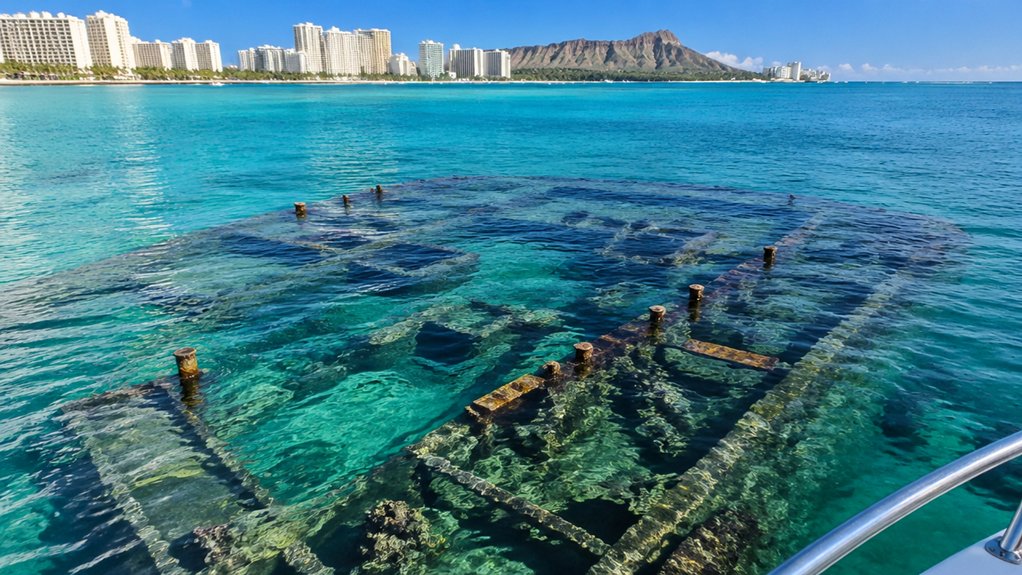
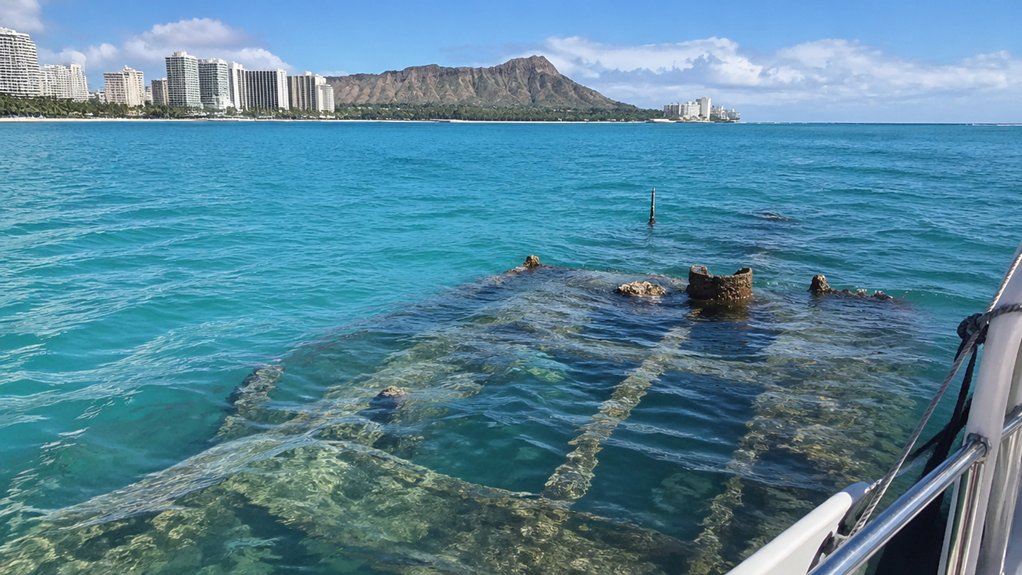
Just offshore from Waikiki, you can spot several famous wrecks by boat without committing to a full dive. The easiest one to picture is YO-257, a 175-foot former Navy oiler sunk as an artificial reef. It’s about 10 minutes from shore by boat, and it sits mostly intact in shallow reef water, so you can often make out its shape from above. Some sections even allow partial swim-throughs for divers. Nearby, the purpose-sunk San Pedro sits within fin-kick distance, letting you scan two wrecks on one short outing. Farther down, a 190-foot cargo ship rests upright, with its top around 60 feet. You won’t snorkel down to it safely, but from the deck you can still watch turtles, rays, and reef shark cruise past. For a surface-level look at these underwater sites, glass-bottom boat tours from Kewalo Basin can help you view marine life and wreck areas without getting in the water.
Which Tours Show Waikiki Wrecks Best?
How do you want to meet Waikiki’s wrecks: in dive gear, through a submarine window, or on a quick morning boat run before the beach fills up?
For the closest look, book a Scuba Diving charter from Kewalo Basin or Maunalua Bay. You’ll reach wrecks like the YO-257 in 10 minutes from Waikiki, and operators pair a deeper wreck with a shallower reef on a four-hour morning trip. That means two sites before lunch. Dive Oahu and Waikiki Dive Center supply gear, rentals, and options for divers or beginners. If you don’t want to get wet, the submarine is the easiest choice for many travelers. A glass bottom boat is another low-effort option, with Waikiki boat prices typically varying by tour length, inclusions, and operator. For the clearest water and best photos, aim for summer mornings, when visibility often reaches 80 to 100 feet.
What Can You See on a Waikiki Submarine Tour?
Slip beneath the surface on Waikiki’s Atlantis submarine tour and you’ll watch the seafloor turn into a quiet wreck gallery about 100 feet down. Through the Atlantis submarine viewports, you can study purpose-sunk ships and airplane wreckage now furred with coral and surrounded by motion. Green sea turtles glide past the windows. Reef sharks cruise the blue. Schools of tropical fish flash around beams and rails like confetti with fins. Narration in English, Japanese, Chinese, and Korean helps you track what you’re seeing. The underwater portion lasts about 45 to 50 minutes, following a shuttle boat ride from Hilton Hawaiian Village. Premium seats give you windows that are advertised up to 65 percent larger, which means fewer neck cranes and more wide-eyed staring inside. If you’re comparing underwater sightseeing options, Glass Bottom Boat tours on Oahu stay on the surface, while the Atlantis submarine descends for a closer look at the wrecks.
Can Non-Divers See Waikiki Shipwrecks?
You can still spot Waikiki shipwrecks even if you don’t scuba, because most wrecks rest far below normal snorkeling range at about 60 to 100 feet. Your best bet is a submarine or glass-bottom boat tour, where you’ll peer through viewports, hear the guide’s narration, and watch a dark hull emerge from the blue like a movie set. A glass-bottom boat typically stays on the surface while a submarine dives down for a closer view of deeper wrecks and marine life. If you want something closer to the surface, you can also book a shallow intro scuba tryout or choose a reef-focused boat trip instead.
Submarine Wreck Views
Want to see Waikiki’s shipwrecks without strapping on a tank? You can. The Atlantis Submarine gives you a clear look at wrecks and reef life without getting wet. It descends to about 100 feet, where big viewports frame artificial reefs, shadowy hulls, and passing schools of snapper. You might also spot green sea turtles or even a reef shark cruising by, which feels thrilling from a seat.
The ride leaves from Hilton Pier and stays underwater for about 45 to 50 minutes. Along the way, narration in several languages helps you identify what you’re seeing. Since most Waikiki wrecks sit roughly 60 to 110 feet deep, snorkeling from the surface won’t reach them safely. If you want guaranteed wreck views, this is the easiest front-row seat. Another option for staying dry is an Ala Wai Harbor glass-bottom boat tour, which offers a different above-water view of marine life near Waikiki.
Still comparing Diamond Head?
Ask for tour ideas, hotel suggestions, or a simple trip plan that combines both.
Trip Helper
Boat Tour Options
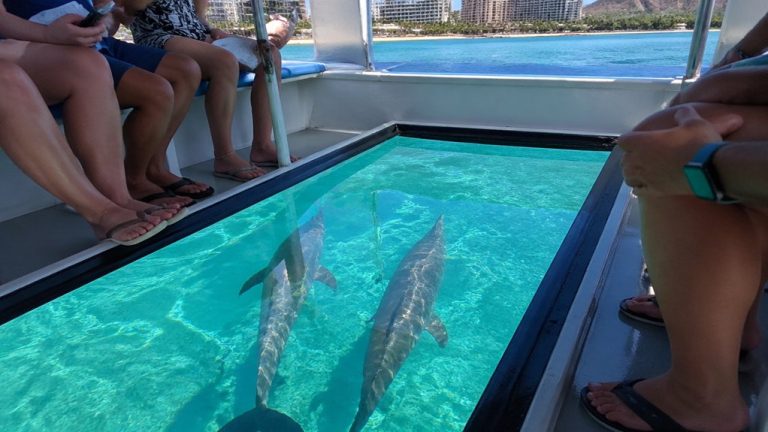
Although most of Waikiki’s artificial wrecks sit too deep for a casual snorkel, non-divers still have solid ways to see them. You can book a boat ride to a glass-bottom tour, a guided snorkel, or the Atlantis Submarine, which drops to about 100 feet and lets you peer through big viewports. Most wrecks off Waikiki, including a 190-foot cargo ship sunk in 1999, have tops near 60 feet and decks around 100, so scuba is usually required. Still, you can join Discover-style trips and reef outings where you’ll spot coral heads, turtles, and bright fish without any wreck penetration. On some Waikiki glass-bottom cruises, travelers may also catch glimpses of dolphins alongside the reef and wreck-viewing experience. If you want the best surface-friendly option, ask about YO-257, nearby San Pedro, or shuttle-to-submarine departures from Hilton Pier or Kewalo Basin for easy logistics.
How Close Are Waikiki Wrecks to Shore?
How close are Waikiki’s wrecks to shore? Closer than many visitors expect. When you head to wrecks near Waikiki, you usually spend just 5–20 minutes on the boat from Kewalo Basin Harbor or Maunalua Bay. If you’re staying in Waikiki, getting to Kewalo Basin Harbor is a quick trip before you even board. Some popular sites, including the 190-foot cargo ship sunk in 1999, sit off Oʻahu’s south shore about 10–20 minutes away. YO-257, for example, is roughly a 10-minute ride. The main wreck rests in about 100 feet of water, with its top around 60, so you won’t snorkel down casually. But certified divers can reach it fast. Better yet, several shallower wreck sections and nearby sites sit close enough together for easy multi-stop mornings, with barely enough time to finish your coffee before splashdown and glimpse Waikiki shrinking behind you.
When Is the Best Time to See Waikiki Wrecks?
When do Waikiki’s wrecks look their best? Summer is your sweet spot, especially from May through September, when visibility often stretches to 80 to 100 feet. Book a morning trip if you’d like calmer seas, cleaner light for photos, and enough time for two wreck dives before lunch. Many boats are back by about 11:00. You can dive year-round, but winter usually brings more surge and slightly cooler water in the mid- to high-70s. Check forecasts and operator updates before you go. Marine forecasts can turn rough fast when hazardous seas build Monday night into Tuesday, with strong southerly to southwesterly winds ahead of a cold front. After heavy rain or strong trade winds, visibility can drop fast, and trips may cancel. For deeper wrecks near 60 to 100 feet, ask operators about currents near Diamond Head and whether a guided or advanced outing fits your comfort level best.
What Marine Life Visits Waikiki Wrecks?
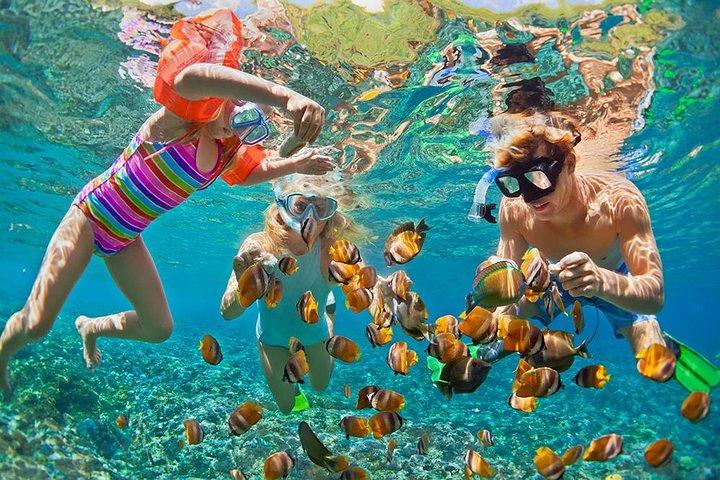
You’ll spot green sea turtles resting on wreck decks, eagle rays cruising through open holds, and reef sharks circling the edges like they own the place. Around the coral-crusted hulls, schools of snapper flash through the blue while nudibranchs, frogfish, and leaf scorpionfish hide in tight crevices for patient eyes. If you time your visit for calm summer days, you can catch clearer water and better chances to see these wrecks buzzing with life from big silhouettes to tiny surprises. Even from tour boats, colorful fish often gather around Waikiki wrecks, adding bright flashes between the larger marine visitors.
Turtles, Rays, And Sharks
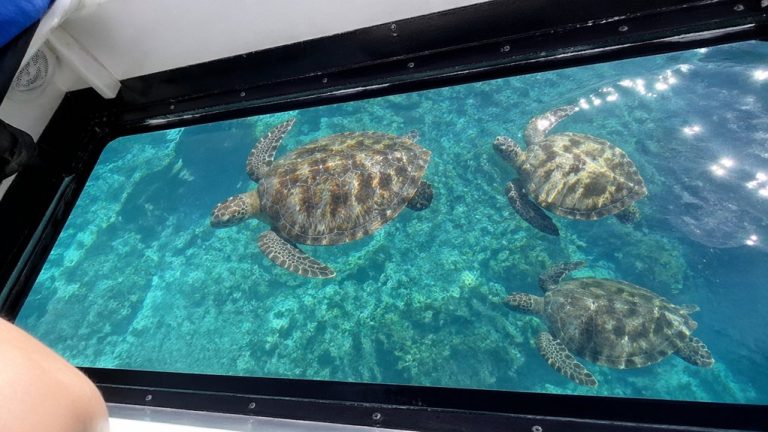
Often, the first thing that grabs your eye at a Waikiki wreck isn’t the steel hull at all. It’s a green sea turtle sprawled on deck like it booked the best lounge chair first. On some glass-bottom tours, sea turtles become the highlight even before you fully take in the wreck below. You’ll also spot eagle rays sweeping over the reef-coated structure and slipping through open holds. Along the edges, small reef sharks cruise the perimeter and keep things thrilling without stealing the show.
| Visitor | Where you’ll look | Best cue |
|---|---|---|
| Green turtle | Decks, ledges | Resting |
| Eagle ray | Above holds | Gliding |
| Blacktip shark | Outer edge | Circling |
If you’re on a boat tour, ask when summer visibility peaks. Clear water helps you track movement, read the wreck’s shape, and catch those dramatic passes before they vanish.
Schools And Macro Life
Big animals may steal the first glance, but the wrecks really come alive in the crowds and corners. On your dive, you’ll often see big schools of snapper and other reef fish pouring through cargo holds and circling coral-coated rails. They turn open water into moving walls of silver and yellow, and they give photographers rich midwater scenes. If you slow down, the smaller residents start stealing the show. Search crevices and easy swim-through corridors for nudibranchs, frogfish, octopus, and leaf scorpionfish. Their textures look almost painted, from ruffled edges to bumpy camouflage that makes you laugh when you finally spot it. Even the rust seems busy with life around every beam and hatch. You won’t run out of details before your tank does. Even from the surface, glass-bottom tours around Waikiki can give visitors a glimpse of the marine life that gathers near these wreck sites.
Seasonal Sightings Near Wrecks
Usually, the cast around Waikiki’s wrecks shifts with the season, and summer brings the easiest headline sightings. You’ll often spot Green sea turtles stretched across the deck of the 190-foot cargo ship, looking like they booked the best lounge chairs first. In calm months from May through September, visibility can open to 80 or even 100 feet, so you may watch eagle rays and spotted eagle rays sweep through the beams. On morning dives, reef sharks often patrol the outer edges of deeper wrecks. Around coral-crusted rails and open holds, snapper schools and mixed baitballs gather in flashing clouds that beg for your camera. Year-round, you can slow down and search crevices for nudibranchs, frogfish, and leaf scorpionfish tucked inside the corridors below there. From a Waikiki boat tour, glass-bottom boat views can make these marine life encounters easier to spot without getting in the water.
What Should You Bring on a Wreck Tour?
Pack like you plan to get wet twice, once in the ocean and once from the spray on the ride out. Bring a 5mm wetsuit or your own suit so you’ll stay comfortable between swims in Waikiki’s warm but sometimes breezy water. Toss in reef-safe sunscreen, a swimsuit, towel, and dry clothes for the roughly four-hour outing. If you’re testing an underwater scooter, you’ll still want a snug lanyard on your waterproof camera or GoPro.
Don’t forget your certification card, logbook, or photo ID plus any forms. Pack sea bands or motion-sickness meds because rides from Kewalo Basin or Maunalua Bay can bounce. Even a glass bottom boat ride in Waikiki can feel choppy on windy days, so it’s smart to prepare for motion sickness before a wreck tour. A small dry bag keeps your phone and wallet safe while you watch turtles, rays, and maybe a curious reef shark.
Which Waikiki Wrecks Require Scuba?
You’ll need scuba certification for most Waikiki wrecks, because many sit deeper than 60 feet and larger sites like the 190-foot cargo ship off Oʻahu’s south shore rest with the top around 60 feet and the base near 100. If you’re new, you can still visit some shallow exterior sections on guided discover programs, where you’ll hover over steel decks and towers without going into the holds. And if you’d rather stay dry, you can watch wreck shapes slide past a submarine window or spot a few shallow remnants by boat or snorkel, no tank required. During winter, some glass-bottom tours in Waikiki may also reveal humpback whales passing offshore.
Scuba-Only Wreck Sites
Because Waikiki’s best-known wrecks sit well below easy snorkel range, the real shipwreck tour starts once you descend on scuba. The Sea Tiger is the headline dive, with its top around 60 feet and deeper sections near 110. YO-257 and the Corsair also push into advanced territory, where currents can tug at you and bottom time shrinks fast. Even when a wreck’s upper deck is reachable for experienced open-water divers, full exploration still demands training, gas planning, and a guide’s local judgment. Unlike a glass-bottom boat outing in Waikiki, these deeper wrecks are not practical to appreciate fully from the surface.
- Sea Tiger rewards certified divers with big-cargo-ship scale and shadowy swim-throughs.
- YO-257 usually suits advanced or deep divers because depth and current stack the odds.
- Nashua Navy Tug, San Pedro, and similar purpose-sunk wrecks need scuba, guide planning, and sometimes special scheduling.
Non-Diver Viewing Options
Not every Waikiki wreck asks you to strap on a tank, but most of the famous ones do. Sea Tiger, San Pedro, YO-257, and the 190-foot cargo ship rest around 60 to 110 feet, so you’ll need scuba certification to see them fully and safely. If you don’t dive, you still have options. You can book a boat trip, ride the Atlantis submarine down near 100 feet, or snorkel over very shallow remnants in allowed areas. In calm water, you may spot parts of YO-257 or nearby San Pedro from above, especially where the top structure rises higher than the seafloor near a shallow reef. Want a taste without full certification? Try a discover scuba session. Just check operator rules and whether exterior-only viewing applies. For a surface-level look, glass-bottom boat tours in Waikiki can help non-divers spot reef scenery and, when conditions line up, hints of submerged structures from above.
Why Are Waikiki Wreck Tours So Accessible?
Even if wreck diving sounds like a big expedition, Waikiki makes it feel surprisingly easy. You can reach many artificial reef sites and purpose-sunk ships in just 10 to 20 minutes from Kewalo Basin or Maunalua Bay. Operators keep things simple with morning small-group trips, supplied gear, and clear options for certified divers, snorkelers, and curious first-timers. Some tours also offer hotel pickup options, which makes getting from Waikiki accommodations to the harbor even easier.
- You board, settle in, and head fast to wrecks like the 190-foot cargo ship or YO-257.
- You get reliable departures year-round, with summer visibility often stretching 80 to 100 feet for bright, crisp photos.
- You can explore shallow decks at 60 to 80 feet, while guides handle timing, transport, and the little details that usually eat your vacation.
It feels organized, scenic, and pleasantly low-fuss from start.
What Should You Do After a Wreck Tour?
Once you climb back onshore, give yourself a proper surface interval and let the morning settle in. Spend 60 to 90 minutes at a nearby marina or beach to rehydrate, snack, and log your dive. Morning wreck trips usually finish by 11 a.m., so the afternoon is yours. For a glass bottom boat check-in, plan to arrive early enough to get settled before your experience begins. La Mariana Sailing Club at Ke‘ehi Lagoon or the Surfjack makes an easy stop for lunch and something cold.
Then swap photos with your group and review the coral crust, shadowy hatches, and clean swim through lines you caught on a GoPro. If you stayed shallow, book a Discover Scuba or guided exterior dive with a local operator. If conditions look calm and your energy holds, chase summer visibility at YO-257. Otherwise, stick to snorkeling or a mellow reef dive.
Frequently Asked Questions
Are Waikiki Wreck Tours Suitable for Young Children?
Yes, you’ll find tours: Child friendly? Safety focused. Like peering through a storybook window into the sea, you don’t need swimming skills, but you’ll want to check height limits, ladder access, policies, and adult-supervision rules first.
Do Wreck Tour Operators Provide Motion Sickness Advice?
Yes, you’ll usually get motion sickness advice from operators: they recommend morning departures, light meals, and avoiding alcohol, plus Motion remedies like meclizine, scopolamine, or ginger. You should ask about boat size and seating, too.
Can You Take Underwater Photos Without Snorkeling?
Yes, you can, and yes, it’s easier than you’d think. You can shoot through submarine viewports, use glass-bottom boats, or try Surface Photography with a polarized lens or brief camera dips using waterproof housings for clarity.
How Far in Advance Should You Book a Wreck Tour?
You should make Advance Booking 1–2 weeks ahead for wreck tours, 2–4 weeks if you’ve got a preferred operator or wreck, and 4–8 weeks for private charters or big groups; call midweek for last-minute openings.
What Happens if Weather Cancels Your Wreck Tour?
If weather cancels your wreck tour, you’ll usually get Weather refunds through a full refund or free rescheduling. Operators notify you early, may switch to alternatives, and shared trips canceled by them commonly refund 100%.
Conclusion
From Waikiki, you can slip onto a boat and watch history glow under blue water like a sunken stage set. One trip might reveal the YO-257, Sea Tiger, or Corsair with turtles drifting past rails and snapper flashing over coral-soft decks. Morning light usually gives you the clearest look. Bring sunscreen, a hat, and your camera. Then head back to shore for lunch in Kakaako or Waikiki. Not a bad way to meet old ghosts.