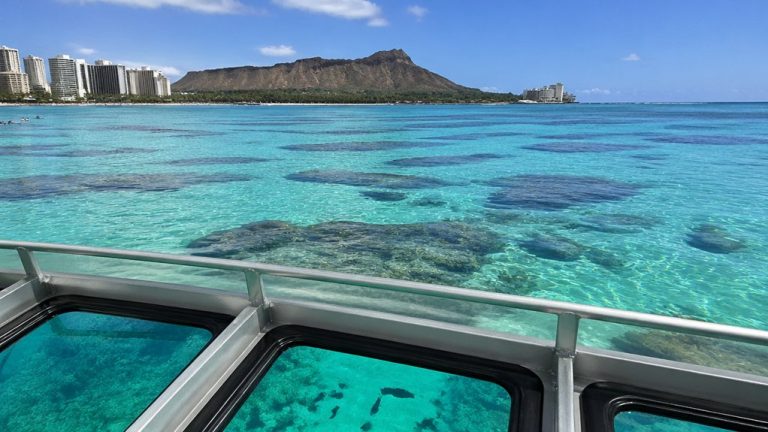
Sunlight slips across the water like glass, and below you the reef starts to sharpen into coral shapes and quick silver fish. If you want the clearest view in Waikiki, you’ll usually do best with an early morning tour or a mid-afternoon sail. Morning often brings calmer water and an easier ride. Afternoon can light up the colors. The trade-off is wind, glare, and timing, which is where things get interesting.
Key Takeaways
- Early morning is usually best for the smoothest ride, lighter winds, and clearest water over Waikiki’s reef.
- Midday to mid-afternoon often gives the brightest reef colors and strongest fish visibility through the glass.
- Morning tours are better for seasickness-prone passengers because afternoon tradewinds often add chop and glare.
- Midmorning offers a good balance of calm conditions, strong visibility, and possible turtle or seasonal whale sightings.
- Choose the earliest available departure when weather is uncertain, since afternoon winds can cause route changes or cancellations.
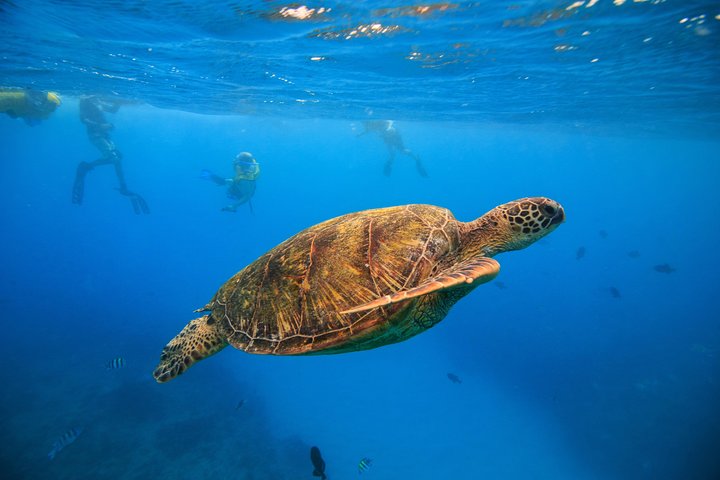
Waikiki, Hawaii: Turtle Canyon Snorkel Excursion
Discover the magic of snorkeling with Hawaiian Green Sea Turtles at Waikiki’s famous Turtle Canyon. On this 2-hour snorkeling tour, you’ll cruise...

Waikiki: 2-hour Turtle Canyon Snorkeling Adventure
Join us for a 2-hour snorkeling adventure at Turtle Canyon, one of Oahu’s top snorkeling spots! Cruise along the s...

Waikiki Turtle Canyon Snorkel: Turtles Guaranteed
Book our Turtle Canyon snorkel tour and experience one of Waikiki’s most popular turtle snorkeling destinations! D...
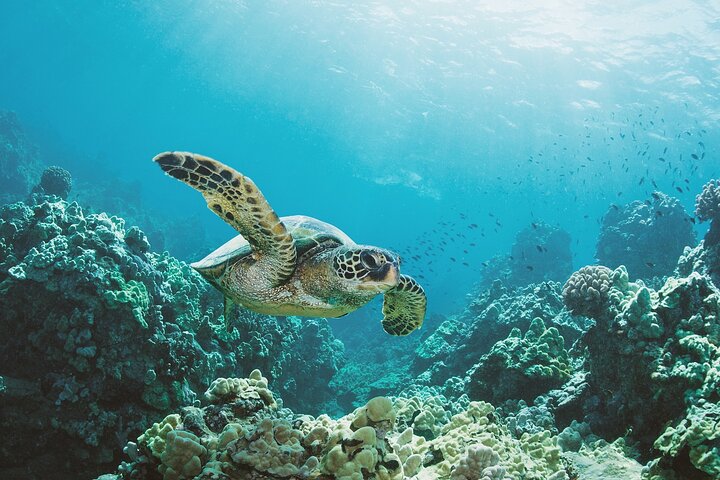
Waikiki: Turtle Canyon Snorkel Adventure on Oahu
Enjoy an exclusive snorkeling adventure in Waikiki with small group sizes for a comfortable and VIP experience. You...
Best Time for a Waikiki Glass Bottom Tour?
When should you go? The best time for a Waikiki glass bottom boat tour depends on what you want to notice most once you’re on the water. During whale season, from November through May, longer cruises can add a lucky bonus: humpbacks surfacing beyond the reef. If you care about brighter color through the view ports, strong overhead sun helps fish flash and coral pop. Midday is often the sweet spot for best time of year visibility, especially when calm water and direct sun make the ocean easier to see into. If motion worries you, plan ahead. You’ll want medication about two hours before boarding, especially if rough water sounds like a bad souvenir. Late departures can also deliver skyline views, Diamond Head, and sunset glow, which feel pretty cinematic from the deck. Pick the trip that matches your eyes, your stomach, and your wish list. Waikiki rewards both beautifully too.
Morning or Afternoon: Which Is Better?
So which wins, morning or afternoon? It depends on what you want from your Waikiki glass bottom boat tour. If you like smoother rides, morning usually comes out ahead. Winds are lighter, seas stay flatter, and you’re less likely to deal with motion or a canceled shuttle run. The water often looks cleaner too, since chop hasn’t stirred up as much sediment.
But afternoon has its own appeal. When the sun sits higher, reef shapes and fish colors can pop through the glass ports, which helps if you want brighter photos. Still, windier afternoon conditions can add glare and shake the view a bit. In simple terms, choose morning for calm and easy cruising. Choose afternoon for stronger light, bolder color, and that sparkling tropical postcard look offshore. This morning vs afternoon choice really comes down to whether you value calmer water or brighter viewing conditions most.
Is Morning Better for Wildlife Sightings?
If wildlife is your main goal, morning usually gives you the best shot. You’ll often get steadier water and clearer glass-bottom viewports, so reef fish flash by in sharper detail and you have a better chance to See Turtles cruising over the coral. On some glass-bottom tours off Waikiki, guests may also enjoy gliding above sea turtles as they move through the reef below. Booking the earliest available cruise also helps you avoid delays or cancellations that can cut into viewing time.
Afternoon trips can still be beautiful. When the sun sits high, reef colors may look brighter through the glass, which is great for photos if conditions stay light. During whale season, from November through May, mid-morning to early afternoon can also reward you with surface whale sightings. Still, if underwater wildlife matters most, morning usually wins for clear, reliable viewing off Waikiki’s shore today.
How Wind Affects a Waikiki Boat Tour?
You’ll usually get calmer water in the morning, which means a smoother ride and clearer views through the glass before the surface turns choppy. By afternoon, stronger tradewinds can add glare, stir up sand, and make the reef look a little more like a shaken snow globe. If the wind really picks up, you may also see shuttle disruptions at the harbor or route changes and cancellations for safety. In the latest Hawaiian coastal waters forecast, small craft advisories and building seas are noted for some island waters, which is a good reminder that windier periods can affect boat operations.
Morning Calmer Waters
Because Waikiki’s waters are usually calmest early in the day, a glass-bottom boat tour before 10:00 AM often gives you the clearest look through the viewing ports. You’ll spot more over a calm reef when the surface stays smooth and the morning light cuts glare. On a glass bottom boat, that means brighter coral, sharper fish outlines, and fewer ripples blurring the view.
- Early sun helps you see down into the blue.
- Smoother water keeps the viewing ports clearer.
- A steadier catamaran feels easier if you get queasy.
In Waikiki, rough water is usually less of a concern in the morning, when lighter winds often mean a less choppy ride. It’s also smart to check same-day sea reports and call your operator before you head to the harbor. Schedules can change, and nobody wants a surprise after coffee and sunscreen that morning, right?
Still comparing Turtle Canyon?
Ask for tour ideas, hotel suggestions, or a simple trip plan that combines both.
Trip Helper
Wind And Ride Conditions
While Waikiki often looks mellow from shore, wind can change the feel of a glass-bottom boat tour fast. If you book a morning departure, you’ll usually get lighter winds, smoother water, and an easier time peering through the glass. By afternoon, trade winds can roughen exposed reef sections outside the shelter of Kewalo Basin and Waikiki. That chop can blur visibility below and make standing at the viewports feel like balancing on a moving sidewalk. If you’re sensitive to motion, choose a catamaran-style boat and take seasickness medicine about two hours before boarding. Following basic seasickness tips can also make the ride more comfortable if winds pick up unexpectedly. Crews watch forecasts closely, and operators may cancel when sustained winds push past safe limits. Cooler air and less boat traffic also help visibility stay crisp and comfortable for longer too.
Harbor Shuttle Disruptions
When trade winds kick up across Honolulu, they don’t just ruffle the water outside Waikiki. They can turn Kewalo Basin choppy enough that your harbor shuttle or glass-bottom tour pauses for safety. Morning usually gives you a calmer shot, especially before 10:00 or 11:00 a.m., with smoother boarding and fewer surprises.
- Arrive early at Kewalo Basin and build in wiggle room.
- Check same-day alerts or call 808-753-5156 before you go.
- Expect route changes if winds hit 20 to 25 knots.
If you’re coming from Waikiki, give yourself extra travel time to reach Kewalo Basin Harbor in case wind-related delays affect boarding. Even when boats still run, operators may switch to steadier catamarans or hug the shoreline. That helps, but wind-driven chop can cloud glass-port views with bubbles and stirred-up water. Honolulu is gorgeous, but sometimes the breeze makes the schedule the adventure for you today.
Are Afternoon Glass Bottom Tours Still Worth It?
You can still get a great glass bottom tour in the afternoon, especially when the higher sun lights up the reef and makes coral colors look brighter through the viewing ports. This lines up with best time of day guidance for capturing underwater color in Waikiki, since stronger daylight can make reef hues appear more vivid. You may also spot turtles, dolphins, or even seasonal whales later in the day, though morning trips usually give you steadier wildlife odds and a smoother ride. If the trade winds start to kick up, the boat can get a bit bumpier and the glare can be annoying, so you’ll want to check the same-day weather and aim for an early afternoon slot if you can.
Afternoon Reef Visibility
Often, afternoon glass bottom tours in Waikiki are absolutely still worth it, especially if your main goal is seeing the reef lit up in sharper color. With the sun higher overhead, afternoon reef visibility can look surprisingly vivid through glass ports, and coral details often pop more on glass bottom boats. In Waikiki, water clarity can still be good enough in the afternoon for enjoyable glass-bottom boat views, especially when winds stay light.
- Aim for mid-afternoon for the brightest reef contrast.
- Check wind forecasts first. Trade winds above 15 mph often rough up the surface.
- Skip the latest departures if sea breezes are building.
On calm days, you’ll get strong down-light, better color, and clear views below. If you care more about guaranteed smooth water than bold reef detail, mornings usually win. If you can accept some chop, afternoons still deliver plenty too.
Wildlife Sightings Later
Still, afternoon glass bottom tours can surprise you with wildlife that doesn’t always show up early. You can still spot sea turtles cruising over coral heads while bright reef fish flicker through sunlit water like confetti with fins.
Later trips also give you a real shot at bigger visitors. During whale season, from November to May, humpbacks may surface offshore, and dolphins sometimes become more active from midday into the afternoon. On some glass-bottom boats in Waikiki, you may even be able to spot whales through the viewing panels when conditions are clear. That means your later departure isn’t just a backup plan. It can feel like a different show.
If you want the strongest mix of color and creature sightings, book late morning to early afternoon. You’ll catch stronger sunlight on the reef and still have a good chance of turtles, fish, and maybe a surprise tail slap too.
Wind And Sea Conditions
Although the light can look fantastic later in the day, Waikiki’s wind usually starts to flex by afternoon. You’ll often feel more bump under the hull, see more glare across the glass, and lose some underwater clarity as surface chop builds. Afternoon trips can still reward you with punchy coral color, but morning cruises usually give you calmer water. This lines up with the best time to book, since earlier departures in Waikiki often deliver the clearest and calmest viewing conditions.
- Book the earliest departure when wind is forecast.
- Check the cancellation policy and route changes before you go.
- Choose a larger catamaran if you must sail later.
If you get seasick easily, travel with small kids, or need steadier boarding, the earlier slots make life simpler. Think smoother reef views, fewer squints, and less surprise spray in your face on rough days.
Best Tour Time Before Pearl Harbor?
Why not take the glass-bottom boat first if Pearl Harbor is also on your plan? You’ll usually make the day easier by booking a morning cruise, ideally one of the first departures around 8:00 or 9:00 AM. Morning water is often calmer, with lighter winds and a smoother ride out of Kewalo Basin. That also lowers the odds of shuttle or small-boat hiccups before your Pearl Harbor reservation.
If your entry time is fixed, pick the latest morning glass-bottom boat that still leaves breathing room. Aim to finish by about 11:00 AM for most midmorning visits. After the tour, give yourself 90 to 120 minutes for the drive, parking, security, and lines. Using Waikiki parking tips can also help you leave the harbor area faster and keep your Pearl Harbor timing on track. Afternoon cruises can brighten reef colors, but they can also tangle your schedule. No one wants to sprint between history and fish.
Which Tour Time Is Best for Families?
For most families, the best glass-bottom boat time in Waikiki is one of the first morning departures. You’ll usually get calmer water, lighter wind, and an easier start with kids, strollers, or grandparents in tow. Early sailings also mean simpler parking at Kewalo Basin Harbor and shorter waits before boarding. If you’re bringing a stroller, stroller-friendly tips can make those early harbor arrivals and boarding logistics even easier for your group.
- Pick early morning if anyone gets seasick or dislikes bouncy rides.
- Choose midmorning if you want a balance of comfort and possible whale or dolphin surface sightings in season.
- Book midday only if your kids care most about the best views through the glass.
Skip very late tours when wind can build and shuttles feel less reliable. Morning plans tend to run smoother, and that’s half the vacation victory for families.
What Can You Actually See on Board?
From the viewing port, you can spot tropical reef fish flashing by, coral formations below, and if you’re lucky, a sea turtle cruising past like it owns the place. What you see depends on the boat and the conditions, since some vessels have big glass panels while others use smaller windows, and sunlight and water clarity can change how sharp the reef looks. The best seats on a Waikiki glass-bottom boat are usually closest to the viewing panels, where you get the clearest look at reefs and passing marine life. In whale season you might even catch a humpback at the surface, while the glass below keeps your focus on reefs, the occasional shipwreck, and surprise visitors like eels or reef sharks.
Marine Life Sightings
While every trip has its own surprises, most Waikiki glass-bottom boat tours give you a clear look at the shallow reef world below the hull. At the right time, you’ll usually spot colorful marine life like parrotfish, butterflyfish, wrasses, eels, and coral patches sliding past beneath you.
- Green sea turtles often steal the show, especially on Turtle Canyons routes.
- Humpback whales may appear from November to May, and dolphins or even reef sharks can show up any time.
- Sunset and night cruises use underwater lights, which can draw in smaller fish and nocturnal reef creatures.
Morning water can look calmer, while midday to afternoon light often makes reef colors stand out. Bigger open-ocean fish are possible, but they’re a bonus, not the main act. Because these tours are designed for shallow reef viewing, they’re especially good for spotting the smaller marine life that lives close to Waikiki’s nearshore habitat.
Glass View Expectations
What can you really see through the glass? You’ll usually spot reef fish, coral heads, and maybe a turtle sliding past the viewport. Some boats use oversized panels, while others have smaller 2’×3′ windows, so your view feels more like a moving aquarium than a dive mask. You may also notice colorful fish commonly seen off Waikiki, especially when the water is calm and bright. Visibility changes with sun angle and water clarity. Mid-afternoon often helps coral colors glow, though glare can skim the surface.
| You may see | What affects it |
|---|---|
| Butterflyfish, eels, coral | Clear water, higher sun |
| Turtles, seasonal dolphins | Route, season, calm reef |
You won’t snorkel. You simply watch as the boat cruises offshore near Waikiki or Ko Olina. Night lights can reveal fish too, but the look feels less natural than daylight, and sightings still depend on conditions.
How Big Is the Glass Viewing Area?
Because not all Waikiki glass-bottom boats are built the same, the viewing area can feel either roomy and easy or a bit like peeking through an aquarium hatch. On some boats, glass viewing ports measure about 2′ x 3′, so you’ll stand up and share space to spot fish. Larger catamarans may have oversized viewing panels or wider glass-bottom sections that let several passengers sit and watch the reef. This is especially helpful for non-swimmers, who can enjoy the marine life without needing to get in the water.
- Small windows mean tighter angles.
- Bigger panels give steadier seated viewing.
- Ask if seats sit over the glass.
The Haleiwa Queen, for example, uses multiple bottom ports rather than one full glass floor. If you want easier photos and fewer elbows, pick larger panels for clearer, less crowded reef views below.
Where Do Waikiki Glass Bottom Tours Depart?
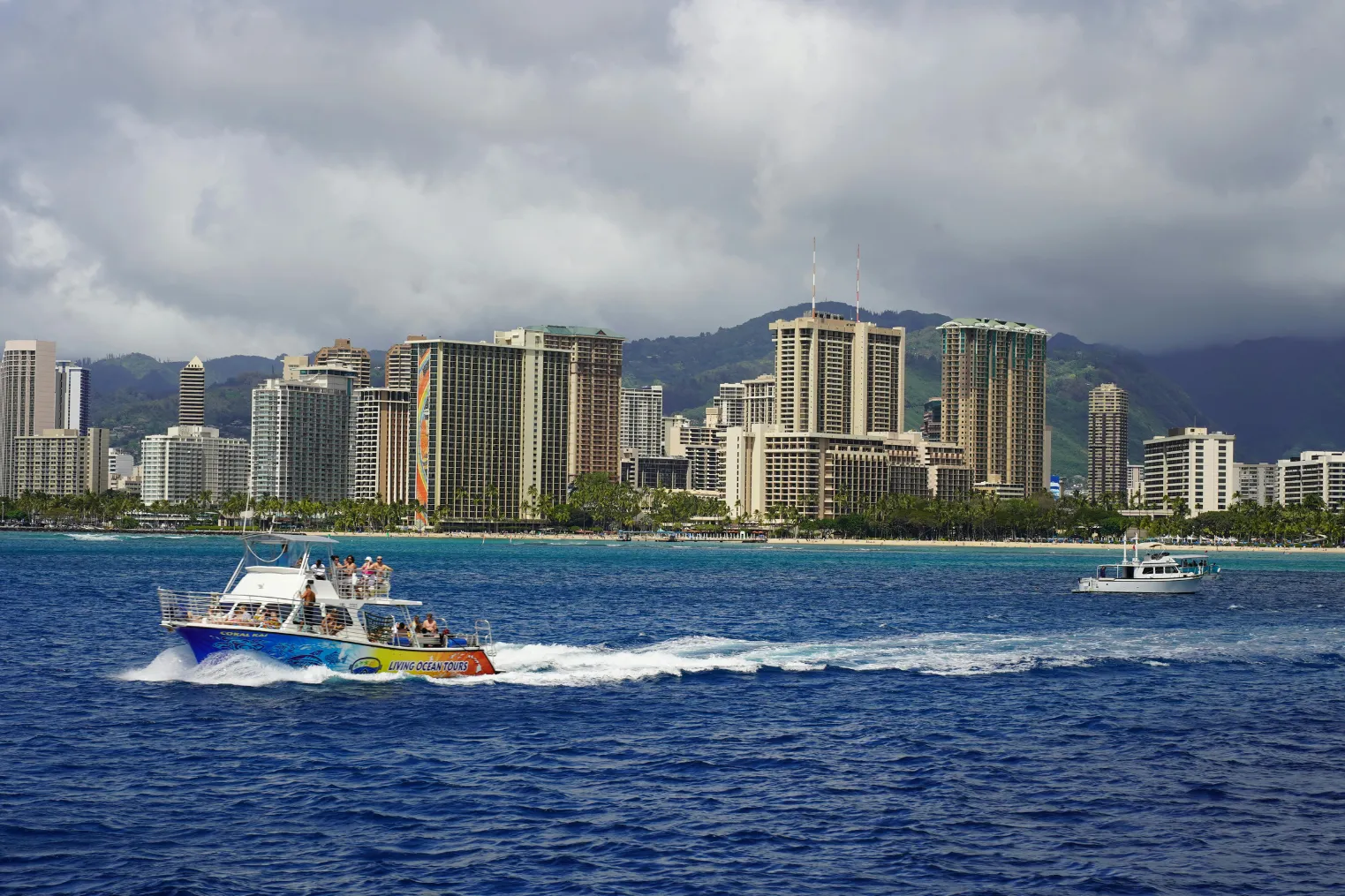
Where do most Waikiki glass-bottom tours actually leave from? You’ll head to Kewalo Basin Marina at 1009 Ala Moana Blvd, just beyond Waikiki and about a 15 to 20 minute drive from most resorts. The harbor feels practical and breezy, with fishing boats, salt air, and Ala Moana traffic humming nearby.
For the Haleiwa Queen, look for slip F21 near the big red “Hawaii Glass Bottom Boats” sign at the front of the harbor by Ala Moana Blvd and Ward Ave. You won’t find a shuttle from Waikiki, so you’ll need to drive or grab a taxi, Uber, or Lyft. Parking is easy and cheap at Kewalo Basin Marina, with paid public lots at both ends. If you get turned around, call (808) 753-5156. Many Kewalo Basin tours depart from this marina, making it the main launch point for glass-bottom boat experiences near Waikiki.
How Early Should You Arrive?
Once you’ve found the right slip, give yourself a little breathing room and arrive at least 20 to 30 minutes before departure. That extra time helps with parking, check-in, and boarding, especially at Kewalo Basin Harbor, where nearby spaces can fill fast. If you’re leaving from Waikiki docks, 15 to 20 minutes early usually works, but earlier is smarter on busy mornings. For most operators, boat check-in starts well before departure, so arriving early helps everything feel easy from the moment you reach the dock.
- Arrive at least 20–30 minutes early if you want a smooth start and better seats by the glass viewing ports.
- Call ahead and show up 30 to 45 minutes early for wheelchair or special-access help.
- If seasickness nags you, getting there early lets you follow medication timing and settle in before the engines hum across the bright harbor water.
What Should You Bring on the Tour?
Pack a few smart extras and the whole ride feels easier from the first step onto the dock. Bring reef-safe sunscreen, a hat, and polarized sunglasses so you cut glare through the glass and spare your face during the roughly 60-minute tour. A light jacket or windbreaker helps too, because calm mornings can still feel breezy once you’re skimming the shoreline. Pack sealed snacks, non-glass drinks, and small coolers if your operator allows BYOB. Many provide ice anyway. Keep your phone or camera handy, with a clean lens and a microfiber cloth for clearer shots. For better underwater shots, use best phone settings like HDR or burst mode if your device supports them. If motion gets you, take medication two hours before boarding and stash ginger chews or wristbands in your bag. Your stomach may thank you when the catamaran starts rolling.
Frequently Asked Questions
Are Glass Bottom Boat Tours Suitable for Pregnant Passengers?
Yes, you can usually enjoy glass bottom boat tours while pregnant, but ask your OB/GYN first. For pregnancy safety, consider trimester considerations, possible seasickness, stable boarding, shaded seating, hydration, and any complications before you book.
Do Waikiki Glass Bottom Tours Have Restrooms Onboard?
Yes, you’ll usually find restrooms onboard, like a small harbor of comfort beneath Waikiki skies. Check restroom availability and onboard facilities before booking, because larger glass-bottom tours often include a head, while smaller boats might not.
Can I Bring a Stroller or Wheelchair on the Boat?
Yes, you can bring a stroller, and you may bring a collapsible wheelchair or walker, but you’ll need to manage steps. Call ahead for accessible boarding and mobility accommodations, since powerchairs, scooters, and space are limited.
What Happens if It Rains During the Tour?
If it rains, you’ll usually keep cruising because showers rarely ruin views. If weather worsens, operators may make itinerary adjustments or cancel for safety. You’ll get weather refunds or rebooking options, so check policies beforehand.
Are Private or Semi-Private Glass Bottom Tours Available?
Yes, you can book private charters or semi-private glass bottom tours in Waikiki. You’ll enjoy exclusive excursions, flexible routes, and groups. You should reserve early, compare amenities, and confirm accessibility, restrooms, and viewing port size.
Conclusion
If you want the clearest reef views, book early morning and arrive a little ahead of departure. You’ll usually get calmer water, easier boarding, and less glare on the glass. If you love brighter color, a mid afternoon trip can still shine like a postcard come to life. Check the wind, wear polarized sunglasses, and bring a light layer. Then settle in, listen for the engine’s hum, and watch Waikiki’s reef flicker below.