
Is the old theory true that Waikiki looks most colorful underwater right after sunrise? You’ll usually find the clearest blues and sharpest reef detail from about 6 to 9 a.m., when the sun hits low, the water stays glassy, and sand stops swirling like a shaken snow globe. By noon, colors can still glow, but the scene often turns flatter. The reasons get more interesting once wind, tide, and season enter the picture.
Key Takeaways
- Early morning, about 6:00–9:00 a.m., usually gives Waikiki’s best underwater color, contrast, and calmest surface conditions.
- The clearest visibility is often within two to three hours after sunrise, before trade winds stir sand and add chop.
- Midday, around 11:00 a.m.–2:00 p.m., brings the brightest light, but glare and flatter contrast can reduce reef detail.
- Late afternoon can look warm and attractive above water, yet angled light, more chop, and crowds often weaken underwater color.
- For the best odds, go April through September on light-wind days and check tide, swell, and recent rain before entering.
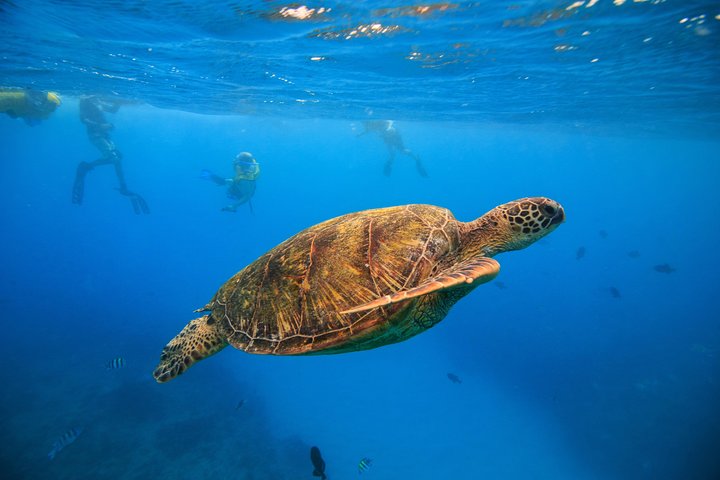
Waikiki, Hawaii: Turtle Canyon Snorkel Excursion
Discover the magic of snorkeling with Hawaiian Green Sea Turtles at Waikiki’s famous Turtle Canyon. On this 2-hour snorkeling tour, you’ll cruise...

Waikiki: 2-hour Turtle Canyon Snorkeling Adventure
Join us for a 2-hour snorkeling adventure at Turtle Canyon, one of Oahu’s top snorkeling spots! Cruise along the s...

Waikiki Turtle Canyon Snorkel: Turtles Guaranteed
Book our Turtle Canyon snorkel tour and experience one of Waikiki’s most popular turtle snorkeling destinations! D...
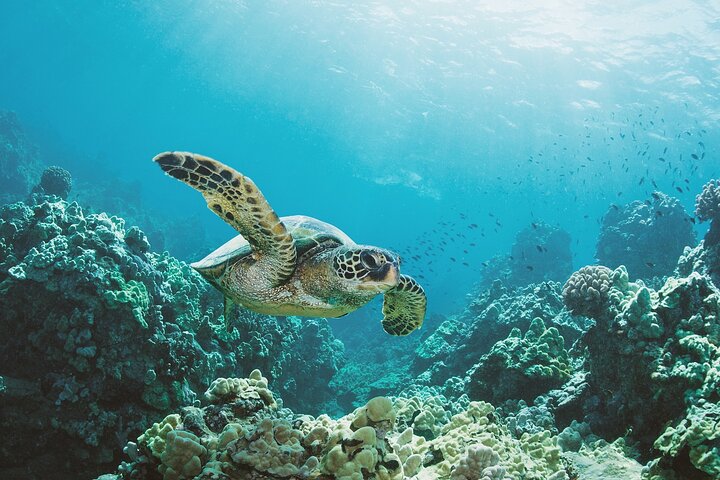
Waikiki: Turtle Canyon Snorkel Adventure on Oahu
Enjoy an exclusive snorkeling adventure in Waikiki with small group sizes for a comfortable and VIP experience. You...
Best Waikiki Snorkeling Time for Color

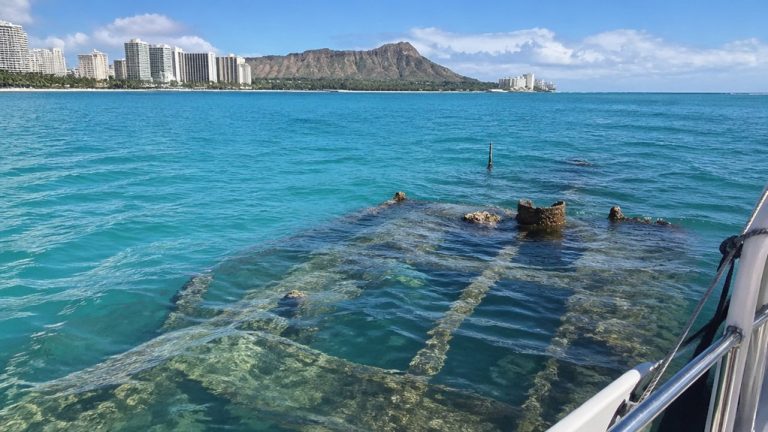
In Waikiki, the best snorkeling time for color is usually early morning, roughly 6:00 to 9:00 a.m., when the ocean is calm, the sand has settled, and the reef looks freshly switched on. You’ll notice aquas pop harder and coral edges look cleaner before trade winds wake up and ruffle the surface. Morning light arrives at a flattering angle, so turtles, rocks, and pale sand pick up richer contrast without that flat midday glare. This same early window is also why many glass-bottom boat outings in Waikiki are favored in the morning over the afternoon. If you want the steadiest color, aim for calm waters from April through September, especially May, June, and late summer. That’s when water clarity tends to cooperate more often. Pack reef-safe sunscreen, slip in early, and watch the reef go from sleepy to electric. Even fish seem camera-ready at dawn.
Morning Waikiki Snorkeling for Calm Clarity
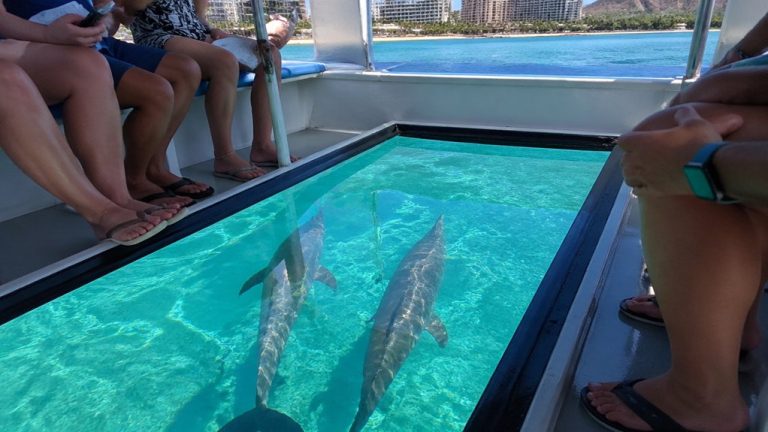
If you slip into Waikiki between 7:00 and 9:00 a.m., you’ll usually catch the glassiest water, when light trade winds let the sand settle and the reef comes into focus. You can spot soft aqua and pale-blue tones over coral heads, notice fish flashing through clearer water, and enjoy a quieter entry before the beach fully wakes up. That early window feels a bit like beating the crowd to breakfast, except your reward is calmer surface texture and better underwater color. Those same calm conditions also improve glass-bottom boat views, making it easier to see reef details from the surface.
Glassy Water Conditions
Because Waikiki usually wakes up before the wind does, the glassiest snorkeling water often shows up from sunrise to about 9 a.m., when the surface turns smooth and clear instead of ruffled and hazy.
You’ll notice calm mornings feel almost polished, especially inside reef protected pockets and other sheltered stretches. Trade winds stay lighter, sand settles, and glassy conditions let clear water hold its color instead of flashing white chop. Aim to leave between 6:15 and 8:30 a.m. This same early window is often the best time to book a glass bottom boat tour in Waikiki if you want the clearest views into the water. Check the wind forecast first. Mornings after several quiet days are often best. If you visit from April through September, you’ll usually get more consistent smooth runs than in winter, when swell can stir things up. Slip in early and the ocean feels silky, the shoreline sounds softer, and your snorkel entry gets a lot less slapstick.
Early Reef Visibility
Often, the reef looks sharpest in Waikiki from sunrise to about 9 or 10 a.m., when the trades are still sleepy and the water hasn’t started fussing around.
In that Morning window, you’ll usually find calm water, settled sand, and cleaner views across coral heads and darting fish. The morning light slips in at a low angle, so yellows, blues, and rusty reds pop before midday glare flattens everything. From May through September, especially June, your odds get better for texture and vivid reef color. On a good day, you can spot 10 to 20 feet with ease. Check the same-day wind forecast and a tide chart before you go. Light offshore or variable winds help, and a lower tide can reveal reef detail. This is also the best time of day for a glass bottom boat tour in Waikiki, since calmer morning water makes marine life and reef structure easier to see.
Quieter Morning Entry
Usually, the sweetest time to slip into Waikiki is within the first two hours after sunrise, when the surface still looks glassy and the reef hasn’t been clouded by kicked-up sand. You’ll often enter between 6:00 and 8:00 a.m. in summer, or 7:00 to 9:00 in winter, and notice how Quieter Morning water feels. Fewer swimmers mean less sand in the water, so visibility can jump by several meters. Calm light slides in at an angle, painting soft aquas and pale blues while coral and fish colors stand out. You may spot more marine life before the day’s commotion starts. Check for a mid-to-high tide and light trades under 10 knots, then wade in. The reef looks rinsed, and your fin splash sounds hushed. If you’re heading out afterward, choosing glass bottom boat layers that dry quickly can keep the rest of your Waikiki morning comfortable.
Still comparing Turtle Canyon?
Ask for tour ideas, hotel suggestions, or a simple trip plan that combines both.
Trip Helper
Midday Waikiki Snorkeling for Brightest Colors

Around 11:30 a.m. to 1:30 p.m., you’ll catch Waikiki with the sun high overhead, and that direct light can make coral glow and fish flash their brightest colors. You’ll see the best effect when the wind stays light, the surface stays calm, and high tide gives deeper reef sections a clearer, brighter look. Bring a polarizing mask or camera filter too, because midday sparkle can turn milky fast when waves and swimmers start stirring things up. If you’re photographing the reef from above, shoot through glass at a straight angle whenever possible to reduce glare and keep underwater colors crisp.
Overhead Sun Advantage
When the sun climbs high over Waikiki, usually between about 11:30 a.m. and 1:30 p.m., you get the cleanest, brightest underwater color of the day.
That overhead sun sends light straight down, so you see more clearly with less glare and fewer side shadows. If you’re wondering about the Best Time to Snorkel, midday often wins for pure color and contrast in shallow water.
This is especially helpful on glass-bottom tours in Waikiki, where stronger overhead light can make marine life easier to spot through the viewing panels.
- Light enters more directly, so the water looks clearer and less blue-green.
- Corals and fish appear richer because glare drops and edges sharpen.
- Calm days matter most, since wind and chop can still cloud the view.
If you shoot photos, try 12:00 to 1:30 p.m. Use a polarizing mask or an underwater filter for truer color. Deeper subjects still drift bluer, because sunlight has limits underwater.
Reef Colors At Noon
Noon is the moment Waikiki’s reef tends to show its full palette. Around Midday, from about 11:30 a.m. to 1:30 p.m., you’ll see reef colors look richest when you peer straight down. Greens sharpen. Aquas turn glassy. Coral patches glow warmer because the sun sits high and sends direct light deep into calm water. Shadows pull back, so the bottom looks smoother and more connected, especially if a high tide covers more of the reef. On low-wind days, often from May through September, the view gets even truer. This lines up with the best time of year, since calmer summer conditions often make midday color easier to see from the surface. Still, glare can fight you at the surface. Polarized lenses help, and so does angling your snorkel line slightly instead of staring ahead like a determined sea turtle. Protect your skin too. Noon sunlight burns fast.
When Brightness Peaks
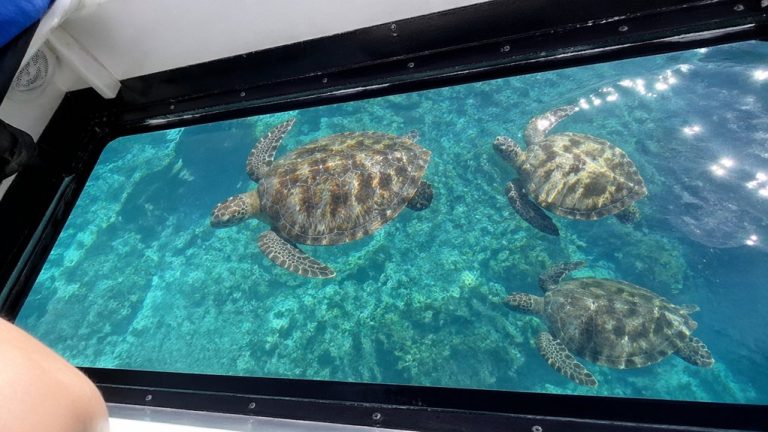
Often, the brightest underwater color in Waikiki shows up between about 11:00 a.m. and 2:00 p.m., when the sun sits high and throws direct light straight through the water. At Midday, you’ll see coral reds, tang yellows, and turtle shells glow with extra brightness if calm seas keep the surface smooth.
- Pick protected spots like Turtle Canyon or a sheltered cove.
- Aim for low to mid tide for cleaner light.
- Favor April through September, especially June through September.
You still need luck with wind. If trade winds rise, chop dulls clarity fast. For photos, clear water matters as much as sun, because sparkling particles can backscatter like tiny underwater confetti. Time it right, and Waikiki looks freshly polished on your very best snorkeling days. You can also preview Waikiki reefs from a glass bottom boat to gauge clarity and light before getting in the water.
Late Afternoon Waikiki Snorkeling Tradeoffs
Although late afternoon in Waikiki can look magical, it comes with clear snorkeling tradeoffs. You’ll see honeyed light on wet sand, but surface glare often flattens color from shore.
| Tradeoff | What you notice |
|---|---|
| Light | Warm glow on shallows |
| Water | Trade winds add chop |
| Visibility | Sediment mutes fish color |
| Crowds | More swimmers and boats |
Still, you can find bright pockets. Protected coves sometimes hold clearer water, and angled light can make coral faces pop. Longer shadows add texture for photos too. If you’re heading out by boat, pack sun protection and a dry layer since late-day breezes can feel cooler on the ride back. You’ll just need steadier timing, and maybe higher ISO or a strobe, because light fades fast. Think golden hour with fins: beautiful, slightly fussy, and worth planning around. Go later only if you’re chasing contrast and can accept softer color with a little sparkle.
Why Color Changes Through the Day
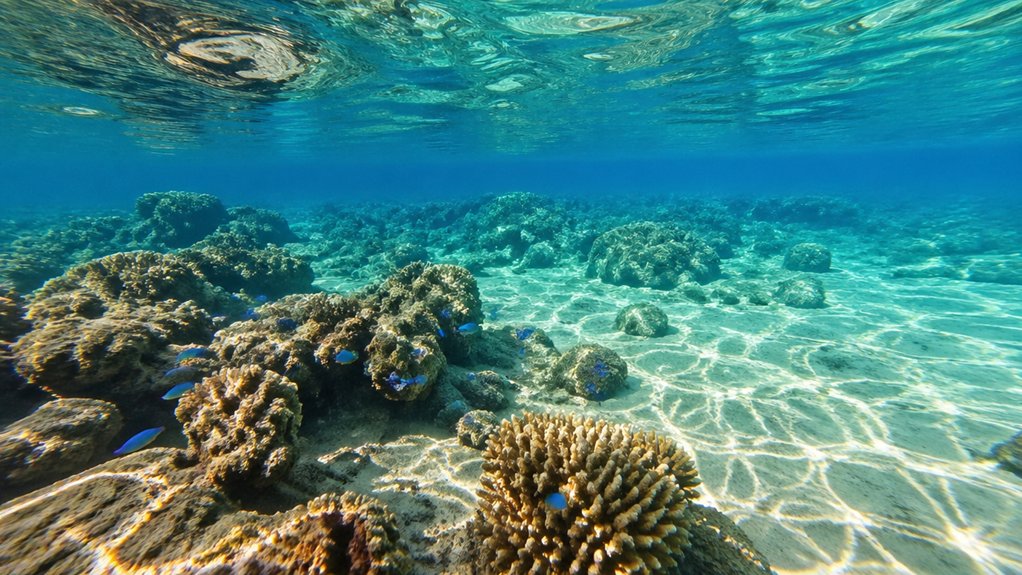
Because Waikiki’s water acts like a moving filter, the reef can look completely different from breakfast to sunset. You notice color shift as the sun climbs and the angle of light changes what your eyes can separate underwater.
- Morning light comes in low, cuts surface glare, and boosts visibility.
- Near noon, bright overhead light makes tiny particles sparkle, so corals look flatter.
- By late afternoon, surface tones turn honey and pink, while underwater color often looks less saturated.
If you snorkel early, greens, aquas, and coral patches usually feel softer and richer. Around midday, you get more total light but less contrast. That’s why the best water color often appears during calm spring and summer mornings in Waikiki, when the reef feels freshly painted. Before you book, it also helps to compare typical cost breakdown details for a glass bottom boat in Waikiki so you know what kind of tour experience matches your timing and budget.
How Wind, Waves, and Runoff Affect Visibility
Light doesn’t work alone in Waikiki. What you see underwater depends on how much the water moves. In the Morning, calm, glassy conditions let sand and silt settle, so colors look cleaner and the reef often appears meters clearer than it does later. By late morning and early afternoon, trade winds tend to rough up the surface and push chop across the bay. That motion lifts bottom sediment and can shrink visibility from tens of meters to a few. Waves do the same job with more muscle. After a swell, surge churns the reef into a pale, milky haze that can last for hours or days. Heavy rain adds runoff, and near stream mouths the water can turn brown and drop below a meter. Even on a glass bottom boat, choppy Waikiki conditions can make the surface look rougher and reduce how clearly you see below.
Best Waikiki Snorkeling Times Each Season
Once you know how quickly Waikiki’s water can change, the best snorkeling windows start to look wonderfully predictable. Morning brings your steadiest visibility, so plan an early-morning swim within two to three hours after sunrise all year.
In Waikiki, the clearest snorkeling usually arrives early, within two or three hours after sunrise.
- Winter can surprise you: low-surf mornings may open 10 to 30-plus feet, while swell days turn milky fast.
- Spring rewards you more often. April through June often looks glassy, with 20 to 50 feet and lively reef color.
- Summer and autumn are your safest bets. July to September often reaches 30 to 60 feet, and October to November stays clear unless storms send runoff seaward.
If you like simple scheduling, think sunrise first, season second. Waikiki usually agrees, and the fish seem to appreciate your punctuality too. If you want a non-swimming way to compare clarity across the day, a glass bottom boat tour in Waikiki can make those color shifts easier to spot.
Tips for Better Waikiki Underwater Color
Start early if you want Waikiki to show off its best color. Morning is the best, especially in the first one to three hours after sunrise, when the surface stays calmer, the trade winds stay lighter, and less sand floats up to dull the reef. If you can plan ahead, target May–September, with June through September often giving you the clearest blue-green water. Check a local tide chart too. Low to mid tide can expose more reef color and cut glare. When you snorkel or shoot photos, keep the sun at an angle instead of overhead, so texture pops across coral and lava. Above water, wear polarized lenses. Underwater, use a red or amber filter, or correct white balance, so warm tones don’t vanish. If you want to enjoy the color without getting in the water, glass-bottom boat tours in Waikiki can also give you a clear look at reef fish and marine life.
Frequently Asked Questions
Are Prescription Snorkel Masks Available Near Waikiki Beaches?
Yes, you’ll find prescription snorkel masks near Waikiki beaches through local vendors like dive shops, where you can get a prescription fit with optical lenses, quick clip-ins, or custom orders; don’t count on beach rentals.
Which Waikiki Snorkel Spots Are Best for Beginners With Children?
Choose Kapiʻolani Beach, Kuhio Beach lagoon, and Magic Island for kids; you’ll find Gentle currents, Shallow reefs, and Protected bays. For extra support, book a Kewalo Basin guided tour with child-sized gear, vests, and coaching.
Do I Need a Tour, or Can I Snorkel Independently?
You can snorkel independently in Waikiki, but you’ll need to check conditions carefully. With rentals nearby, solo safety matters; tours add guided benefits like better site selection, gear, coaching, and support, helping you see more.
What Marine Life Is Commonly Seen While Snorkeling in Waikiki?
You’ll commonly see sea turtles, reef fish, and colorful invertebrates while snorkeling in Waikiki. You might also spot schools of goatfish, chromis, butterflyfish, parrotfish, wrasses, and occasionally rays or small reef sharks near channels there.
Are There Beach Showers and Lockers Near Waikiki Snorkeling Areas?
Yes, you’ll find public showers and rinse stations near many Waikiki snorkeling spots, plus some changing stalls. Beach lockers are scarce onshore, so you’ll usually use nearby hotels, shopping areas, or tour operators’ storage instead.
Conclusion
You’ll usually see Waikiki at its most vivid between 6 and 9 a.m., when the water turns glassy and reef colors snap into focus. In clear Hawaiian water, visibility can reach 100 feet, so even a short swim feels cinematic. Pack your mask early, listen for the soft slap of waves, and watch aquas, golds, and coral pinks sharpen beneath you. Start at dawn, beat the crowds, and let breakfast wait. The fish won’t mind.