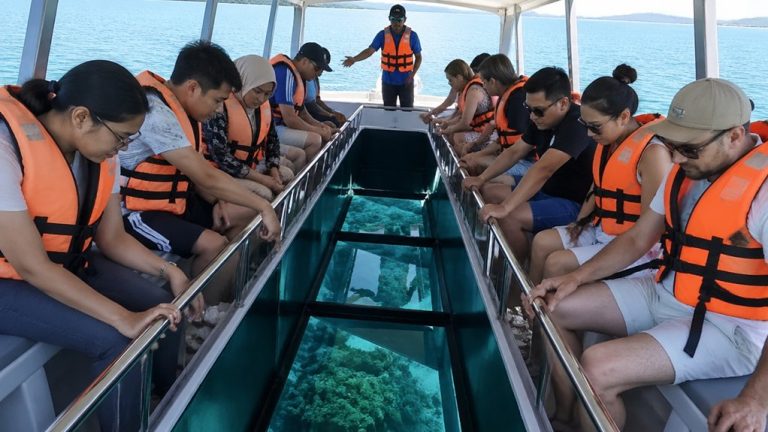
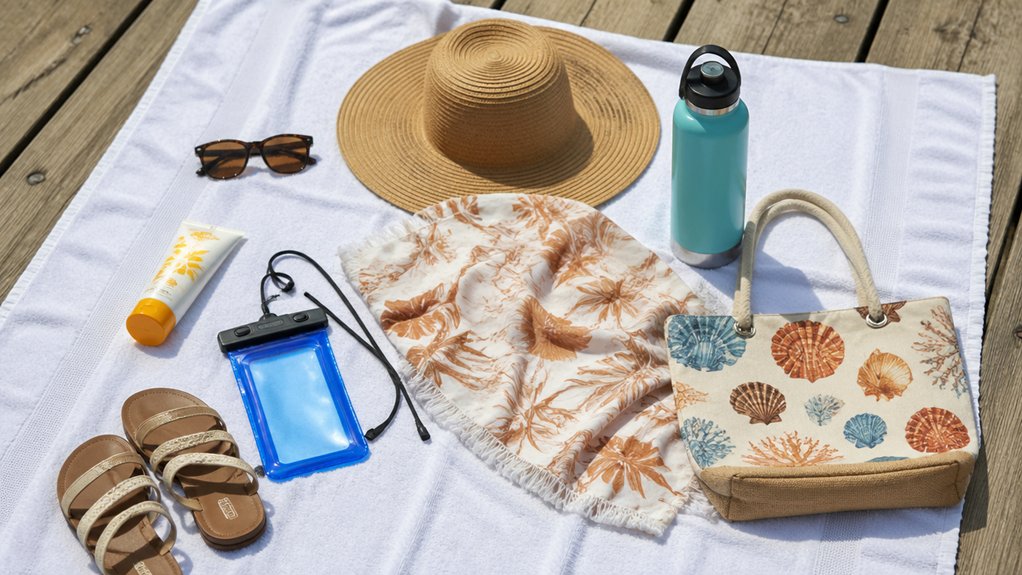
A glass bottom boat tour feels wonderfully low effort, yet your bag should work surprisingly hard. You’ll want the basics close at hand: ID, booking details, water, reef-safe sunscreen, and a hat that won’t fly off at the first gust. Add non-slip shoes, a dry pouch for your phone, and any motion-sickness remedy before boarding. Skip the bulky extras, because space is tighter than it looks, and a few smart choices make the whole trip smoother.
Key Takeaways
- Bring a small bag with essentials only: photo ID, booking confirmation, required medications, and a motion-sickness remedy taken before boarding.
- Pack a refillable water bottle, reef-safe sunscreen, a wide-brimmed hat, and UV sunglasses for sun protection and hydration.
- Wear light layers and closed-toe, non-slip shoes or water shoes for comfort and safer movement on ramps, steps, and deck surfaces.
- Carry your phone or camera in a waterproof pouch or dry bag, and bring a small portable charger if you plan to record video.
- If snacks are allowed, choose tidy, non-messy items and keep cash or a card in a waterproof pouch for tips, parking, or onboard purchases.

Oahu Grand Circle Island Experience from Waikiki
Enjoy Grand Circle Island experience tour with breathtaking views of Amelia Earhart Lookout on Diamond Head, admire Chinaman’s Hat in front of Kualo...
Oahu Circle Island Snorkeling Tour: Dole, Pali Lookout & More
Looking for the BEST VALUE & MOST COMPLETE Circle Island Snorkeling Tour? Join us for the ultimate full-day, action-...

Oahu Catamaran Snorkel Tour: See Turtles 100% Guaranteed
Experience one Viator's 2025 Top 20 Best Excursions in the country. This Oahu Catamaran snorkel tour offers unbeatab...

Oahu: Full or Half Day Grand Circle Island Tour
Choose from two exciting ways to experience Oahu's top attractions, scenic beauty, and local culture.Option 1: Dol...
What to Bring on a Glass Bottom Boat Tour
A little planning makes a glass bottom boat tour feel easy from the moment you step aboard. Wear comfortable clothes and shoes, because you’ll stand, shift, and lean over the viewing panels when fish flash below. Bring a camera or keep phone ready. On Glass Bottom Boats, every seat feels like a window seat, and you’ll want proof when a turtle glides past. Pack reef-safe sunscreen and a hat, even with covered windows cutting glare. For a Waikiki glass bottom boat tour, lightweight, breathable clothing works especially well in the sun and ocean breeze. If seasickness sometimes sneaks up on you, take medication about two hours before boarding. Most tours last 50 to 90 minutes. Pack light so the boat stays uncluttered, and carry cash or a card for snacks, drinks, or tips. Cruises provide water, and some offer coolers and ice.
Check Tour Rules Before You Pack
Before you pack, check the tour’s food and drink rules, because one boat may welcome snacks and adult beverages while another won’t allow even a granola bar on board. You should also confirm accessibility and boarding details, from wheelchair access and scooter limits to steep steps, narrow ramps, and whether a lap infant is allowed. Some operators also offer hotel pickup options, which can make check-in timing and what you carry to the dock much easier to manage. Then look at the check-in time so you’re not rushing down the dock with a backpack bouncing at your heels.
Food And Drink Policies
Although many glass bottom boat tours let you bring your own snacks and drinks, it’s smart to check the rules for your exact trip before you pack the cooler. Most operators allow you to bring your own food, and some private charters even permit adult beverages. Still, policies vary by location.
You’ll usually get water on board, and many cruises offer shared coolers with ice, so you may only want a granola bar or fruit. Choose tidy snacks that won’t drip, crumble, or smell like a whole deli at sea. Some places, including historic boat tours at Silver Springs State Park, ban food and require drinks in containers with lids. If you plan to sip alcohol, confirm age rules first. Some tours limit drinking to guests 21 and older or private charters only. It’s also helpful to review the operator’s refund policy before your tour, since cancellation and change rules can differ between companies like Glass Bottom Boat Waikiki.
Accessibility And Boarding Requirements
Packing the right snacks helps, but getting onto the boat deserves the same attention. Before you book, call the operator and ask about wheelchair access, because accommodations can change by vessel. Motorized wheelchairs and scooters usually aren’t allowed, and some smaller or historic boats may require you to transfer or stand briefly during boarding.
- Expect a short ramp, about four feet long, plus four regular steps with handrails.
- If you use a mobility aid, bring a collapsible wheelchair or walker and call ahead to confirm space.
- If walking is tough, arrange assistance before your tour.
- Consider a pier drop-off for anyone with limited mobility, then park nearby.
Some Waikiki operators may offer limited accessibility options, but boarding requirements still vary by vessel and should always be confirmed in advance. A smooth boarding plan feels as useful as sunscreen and saves awkward surprises at the dock too.
Check-In And Arrival Rules
Once your tour is on the calendar, check the departure details like you’d double-check a gate number at the airport. Verify the harbor, because some boats leave from Kailua-Kona Pier, others from Kewalo Basin slip F21, and some shift to Honokohau. If the booking looks unclear, call. For Waikiki departures, plan ahead for Waikiki parking, since nearby options can fill up quickly and the easiest choice depends on the boat’s exact meeting point.
| Task | What to bring | Why |
|---|---|---|
| Check in | ID, waiver info | Speeds boarding |
| arrive 30 minutes prior | Parking plan | Avoids a last-minute sprint |
| Minors or access needs | Parent or operator call | Confirms signatures and help |
Bring government ID if required. If you’re under 18, a parent may need to sign. For mobility issues, ask about drop-off and boarding help before booking.
Still comparing What To Bring On A Glass Bottom Boat Tour?
Ask for tour ideas, hotel suggestions, or a simple trip plan that combines both.
Trip Helper
Bring Your Booking Details and ID
Grab your booking details before you head for the dock, because check-in can start 30 minutes before departure and staff will want to see your tour time and passenger count.
- Keep a printed or digital booking confirmation ready, so the line moves fast and you don’t miss the first glitter of water.
- Bring a government-issued photo ID if your fare needs age verification or if you’ll order drinks onboard.
- If you booked online, have the payment card or booking reference handy for fee questions or possible refunds.
- For private charters or special requests, carry written approvals and useful contact numbers in case plans shift.
Plan to arrive by the 30-minute check-in window so you have enough time to get settled before departure.
That little packet saves time, smooths surprises, and lets you focus on coral shapes, engine hum, and the harbor breeze ahead.
Use a Small, Easy-to-Carry Bag
With your booking details and ID sorted, bring a small backpack or crossbody bag that won’t bump into knees or block the aisle. You’ll want something light enough to tuck under a seat or leave at the guides’ chalet if larger bags stay ashore. Pack only the basics: phone, wallet, reef-safe sunscreen, a reusable water bottle, and maybe a compact camera for bright flashes of fish below the glass. Slip electronics and documents into a zippered, water-resistant pouch, because sea spray has excellent aim. If anyone in your group has mobility needs, it also helps to ask about accessibility questions before you pack so you know what is easiest to bring aboard. A small backpack keeps everything close during 50 to 110 minute cruises, when space can feel snug on boats carrying a few dozen passengers. Skip bulky extras, move easily, and you’ll enjoy the view instead of wrestling your gear aboard.
Wear Comfortable Clothes on Board
Usually, the best outfit for a glass bottom boat tour is one you barely notice while you’re wearing it. To wear comfortable clothes on board, pick breathable layers that let you move around the boat with ease.
- Choose light fabrics, since Bottom Boat Tours have enclosed bottom viewing areas but breezier bow spots.
- Add a thin layer for cooler mornings, whale watching add-ons, or any early departure time.
- Skip bulky outfits. You’ll want plenty of space to lean toward tropical fish and coral reef views.
- Since tours run 50 to 90 minutes, we recommend taking only essentials. Getting wet is possible, but a full change usually isn’t.
For added ease, especially for older guests, choose outfits that stay comfortable whether you’re in enclosed viewing areas or seated in breezier spots on deck.
For food and drinks, Frequently Asked details, the best time, or if you should please call or give us a call.
Choose Shoes That Are Easy to Board In
You’ll want shoes that make boarding feel simple, especially when you’re stepping up a small ramp and a few boat steps with the rail in one hand. Non-slip boat shoes or easy step-on sneakers give you steady traction on wet decks and around the glass viewing area, where secure footing matters more than fashion. If you need quick on-and-off convenience, pick a pair you can slip off and tuck away fast so you can keep the boarding area clear and get settled without the flip-flop shuffle. If you’re also managing a stroller, stroller-friendly tips can help you choose footwear that keeps boarding smoother and more secure.
Non-Slip Boat Shoes
Step aboard in closed-toe, non-slip boat shoes, and the whole boarding process feels smoother from the start. Wet ramps, four regular steps, and a rocking boat reward grip, not guesswork. Choose rubber soles, quick-drying mesh or neoprene, and a thin flexible base that lets you feel each step and hull contour. If you’re prone to seasickness tips, stable footwear can also help you feel more secure as the boat shifts beneath you.
- You’ll move with more confidence from pier to deck, even after a splash at Kailua-Kona or Honokohau.
- Lightweight shoes stay comfortable in the aisles and on the bow, where footing changes fast.
- Bulky boots, flip-flops, and smooth sneakers can slip, snag, or skate where traction matters most.
- If you’re bringing kids, pick secure closures and slip-resistant soles so they can sit safely, then explore the boat without little feet doing comedy routines.
Easy Step-On Footwear
Often, the best boat shoes are the ones you barely notice as you cross the short ramp and climb the four stairs to the deck. Pick closed-toe, low-profile footwear with grippy soles, like water shoes, deck shoes, or light sneakers, so you can board smoothly even if the deck feels damp. Quick-drying materials help on tours, and secure-strap sandals can work if they stay snug and don’t slide. Skip bulky boots and thick tread that can catch on the ramp or steps. Since you’ll walk aboard and motorized scooters aren’t allowed, easy movement matters. If you’re leaving a backpack ashore, keep your footwear simple and compact for the 50-minute ride. For limited mobility, plan a pier drop-off and wear slip-on water shoes or sandals. Even when the water is choppy, secure, grippy footwear can make boarding and moving around the boat feel steadier.
Pack Sun Protection if Needed
Pack sun protection with a light hand, because a glass bottom boat can feel shaded one minute and bright the next. Covered viewing windows help, but the bow and sundeck catch full glare fast.
- Choose reef-safe sunscreen, SPF 30+, and apply it 15 to 20 minutes before boarding.
- Bring a travel-size tube for reapplication during the roughly 50-minute tour, especially if you step outside for photos.
- Add a wide-brimmed hat, UV-blocking sunglasses, and a lightweight sunshirt, which protects without feeling stuffy.
- Prefer Sunless alternatives? Stay mostly in the enclosed cabin, where direct sun stays low, but keep your hat and sunglasses handy for quick outdoor peeks.
This setup also works well for non-swimmers, since you can stay comfortable and protected while enjoying the view without getting in the water.
That small kit keeps you comfortable, cuts glare, and lets your eyes stay on the fish instead.
Bring Any Meds You May Need
Even if you usually feel fine on the water, bring any medication you might need before the boat pulls away from the dock. If seasickness ever sneaks up on you, take your usual anti-nausea medicine about two hours before boarding. Most tours last around 50 minutes, and shorter exposure helps, but queasiness can still arrive fast with engine hum and rolling swells. Pack personal prescriptions like insulin, inhalers, or heart meds, since onboard medical supplies are limited and there’s only one restroom. Bring over-the-counter favorites too, whether that’s meclizine, ginger capsules, or a motion-sickness patch. A small labeled organizer makes a Medication reminder and helps crew or companions assist you. If you carry an epinephrine auto-injector, tell staff at check-in and keep it within reach. This simple step supports overall boat safety and helps you stay prepared if conditions change quickly on the water.
Carry Water, Wallet, and Small Essentials
Tuck your basics into one small, easy-to-grab bag before you head to the dock. Limited seating fills fast, so a compact setup keeps your feet clear and your mind on the reef below.
Pack light and keep it handy so boarding feels easy, your space stays clear, and your focus stays on the water.
- Bring a refillable bottle for Hydration essentials during a 50 to 90 minute ride.
- Carry your photo ID and booking confirmation for smooth check-in.
- Stash cash or a card in a waterproof pouch for snacks, tips, parking, or fee adjustments.
- Pack only true essentials, like seasickness tablets, required medications, and accessibility contacts. Confirm walkers or collapsible wheelchairs ahead of time.
Since departures are from Waikiki, keeping your essentials packed in one small bag makes getting to the boat and boarding much easier. You won’t need much, and that’s the point. Salt air, engine hum, and bright water make the outing feel lighter when your bag stays small and easy to manage for everyone.
Take a Phone or Camera for Photos
Bring along a fully charged phone or camera so you can catch the bright reef, passing fish, and that sudden sparkle when the boat tilts over clear water. Good battery management matters because most tours run 50–90 minutes, and some stretch longer. Slip your device into a waterproof case or zip-top bag since you’ll likely step toward the bow for photos and pick up a few splashes. Turn on airplane mode and close extra apps to save power and storage. If you love video, bring a small portable charger. Wipe the viewing window with a soft cloth if allowed, then shoot over the hull glass. Use HDR or a camera that handles low light well for richer reef color below. Glare stays fairly tame. For clearer underwater shots, keep your lens as close to the glass bottom as possible to cut reflections and improve detail.
Leave Bulky Bags and Extras Behind
After you’ve got your photo setup sorted, keep the rest of your gear lean. On a glass bottom boat, space matters. Leave luggage, large backpacks, and extra valuables ashore so seats stay open and the cabin feels easy to move through.
- Bring only your phone or small camera and a wallet.
- Stash other personal items in your car or the guide’s storage area.
- Skip coolers and big food tubs. Most boats offer a communal cooler with ice.
- Don’t pack spare outfits. Many trips last just 50 to 90 minutes, and some operators provide full-body suits.
Because many tours do not include restroom facilities on board, it’s smart to use the bathroom before departure.
You’ll notice the difference when the deck stays uncluttered, footsteps sound lighter, and you can focus on the water below instead of wrestling a bag for the whole ride.
Pack for Kids Without Overpacking
Traveling with kids gets easier when you pare things down to a few useful basics. Bring one snack and a refillable water bottle for each child. The boat has water and coolers with ice, so minimal snacks make more sense than bulky containers. For younger kids, tuck in one lightweight change of clothes in case salt spray wins. Older kids usually won’t need it, and some tours even provide body suits. Glass bottom boat tours in Waikiki are especially popular for family tips that help parents pack light while keeping kids comfortable. Keep electronics simple with one phone or compact camera for the whole family inside a small waterproof pouch. Add reef safe sunscreen, a hat, any needed medications, a travel size motion sickness remedy, and wipes. Leave toys, giant bags, and backup gear at the hotel or in the car. You’ll enjoy more room.
What to Bring on a Private Charter
On a private charter, you can bring your own food and drinks, including alcohol, so pack what you’ll actually want to sip and snack on and toss in a cooler with ice to keep it all cold. You’ll also want a few extra basics like reef-safe sunscreen, a camera, comfortable shoes, and light layers because the sun, spray, and breeze can shift fast out on the water. If your charter includes a swim stop, bring swimwear, towels, and snorkeling gear too, because it’s hard to resist clear water when it’s right there. Since private charter cost can vary from standard glass bottom boat Waikiki pricing, it’s smart to confirm what’s included before you pack extras.
Food And Drinks
Because private charters let you bring your own food and drinks, you can turn the boat into a simple floating picnic with snacks that are easy to grab between reef views.
- Follow Snack Etiquette. Pack sandwiches, cut fruit, and chips that won’t drip, crumble everywhere, or distract from the fish below.
- Use a small cooler, leakproof containers, napkins, plates, cutlery, and trash bags. You’ll keep things cold and the deck tidy.
- Bring your favorite drinks, including alcohol if you want, plus ice. Sip responsibly and listen to the crew.
- Water and ice are available, but bring refillable bottles for longer trips. If you need special meals or catering, confirm space, setup, and fees ahead before you board, so everything fits and service stays smooth all day long. Since Waikiki tickets often reflect the overall experience you’re paying for, bringing organized food and drinks helps you make the most of a private charter.
Extra Personal Gear
Pack a few extra basics, and your private charter will feel easy from the pier to the last reef pass. Bring reef-safe sunscreen and a wide-brim hat if you’ll linger on deck or stop to swim. Carry refillable water bottles, extra nonalcoholic drinks, and a few snacks because private trips often run longer than the usual window. Pack a waterproof camera or your phone in a dry bag for bow photos and shallow-water shots. Slip a light jacket and a small bag aboard with ID, baby supplies, and Motion sickness remedies taken about two hours before boarding. If someone uses mobility aids, call ahead about collapsible options and arrange pier drop-off for smoother boarding. You’ll thank yourself when wind rises and salt starts clinging. If you’re heading out from Kewalo Basin, keep everything compact and easy to carry from check-in to boarding.
Frequently Asked Questions
Are There Bathrooms Available Before or During the Tour?
Yes, you’ll usually have restroom access before and during the tour. You can use harbor facilities if you arrive early, and most glass-bottom boats have an onboard bathroom. If you’ve got mobility concerns, call ahead first.
Can I Join if I Get Seasick Easily?
Yes, you can join even if you get seasick easily; these boats stay stable, and tours are short. Motion sickness? Remedies: take medication two hours early, sit forward, get fresh air, and skip heavy meals.
What Happens if Bad Weather Affects the Tour?
If bad weather hits, your tour may be delayed, rerouted, shortened, or canceled for safety. The Weather policy usually gives you a refund or rescheduling option, and you’ll be notified if harbors or boats change promptly.
Are There Age or Mobility Restrictions for Passengers?
Like a welcome mat, age limits are usually flexible: you can bring kids and infants, often at reduced fares. Accessibility considerations vary, so you’ll need to call ahead about wheelchairs, steps, transfers, and assistance needs.
Is Swimming or Snorkeling Allowed During the Tour?
No, you can’t swim or snorkel on regular public tours; there’s a Snorkel ban. If you want water access, book a private charter, confirm swim-stop policies and fees, follow crew instructions, and bring your own gear.
Conclusion
You don’t need much for a glass bottom boat tour, and that’s the beauty of it. Pack light, then watch a whole bright world glide beneath your feet. Bring the practical stuff: ID, booking details, water, sunscreen, shoes that grip. Add a phone in a dry pouch and any meds before boarding. Leave the bulky extras behind. A small bag keeps your hands free for railings, snapshots, and that first quiet look at coral below.