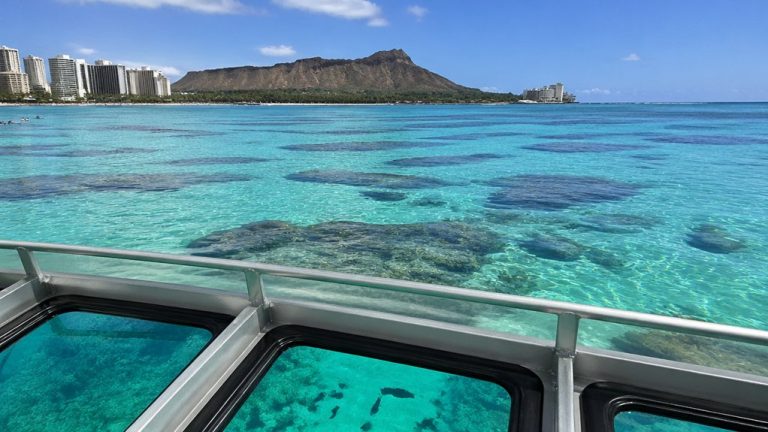
Many glass bottom boats give you a clear view through panels that can span several feet, so you can spot fish and reef without getting wet. You board, find a shaded seat, then peer through the glass as the captain slows over the best patches and a guide points out turtles, coral shapes, and the odd surprise below. It sounds simple, but a few details can make the trip great or just okay.
Key Takeaways
- You board a boat with clear viewing panels or an observation hull to watch underwater scenery without getting wet.
- A captain and crew provide narration about marine life, reefs, springs, shipwrecks, and local history during the ride.
- The boat cruises to clear-water viewing areas, often pausing over reefs, springs, or wrecks for better observation.
- You may see fish, coral, turtles, riverbed artifacts, or movie props, depending on the location and water clarity.
- Most tours last about 30 minutes to 2½ hours, with comfort and visibility shaped by boat type, weather, and sea conditions.

Oahu Grand Circle Island Experience from Waikiki
Enjoy Grand Circle Island experience tour with breathtaking views of Amelia Earhart Lookout on Diamond Head, admire Chinaman’s Hat in front of Kualo...
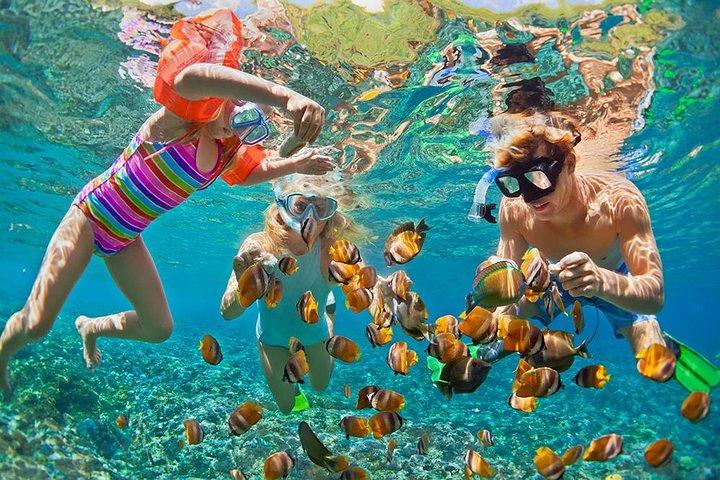
Oahu Circle Island Snorkeling Tour: Dole, Pali Lookout & More
Looking for the BEST VALUE & MOST COMPLETE Circle Island Snorkeling Tour? Join us for the ultimate full-day, action-...

Oahu Catamaran Snorkel Tour: See Turtles 100% Guaranteed
Experience one Viator's 2025 Top 20 Best Excursions in the country. This Oahu Catamaran snorkel tour offers unbeatab...

Oahu: Full or Half Day Grand Circle Island Tour
Choose from two exciting ways to experience Oahu's top attractions, scenic beauty, and local culture.Option 1: Dol...
What Is a Glass Bottom Boat Tour?
Think of it as a sightseeing boat with a window into another world. On a glass bottom boat tour, you step aboard a vessel fitted with clear viewing panels or an observation hull, then watch the underwater scene slide past beneath your feet. You stay dry, but you still get a close look at fish, coral, turtles, springs, shipwrecks, or other submerged details. Some boats are charming wooden classics. Others feel roomy and modern, with enclosed cabins, air conditioning, and space for big groups. On Waikiki glass-bottom tours, guests often spot colorful marine life while guides explain what is happening below the surface. A guide usually narrates what you’re seeing, mixing wildlife facts, local history, and a few fun surprises. Trip length varies, and so do accessibility options, service animal rules, and weather calls. Seas can be moody on any given afternoon too.
Where Do Glass Bottom Boat Tours Go?
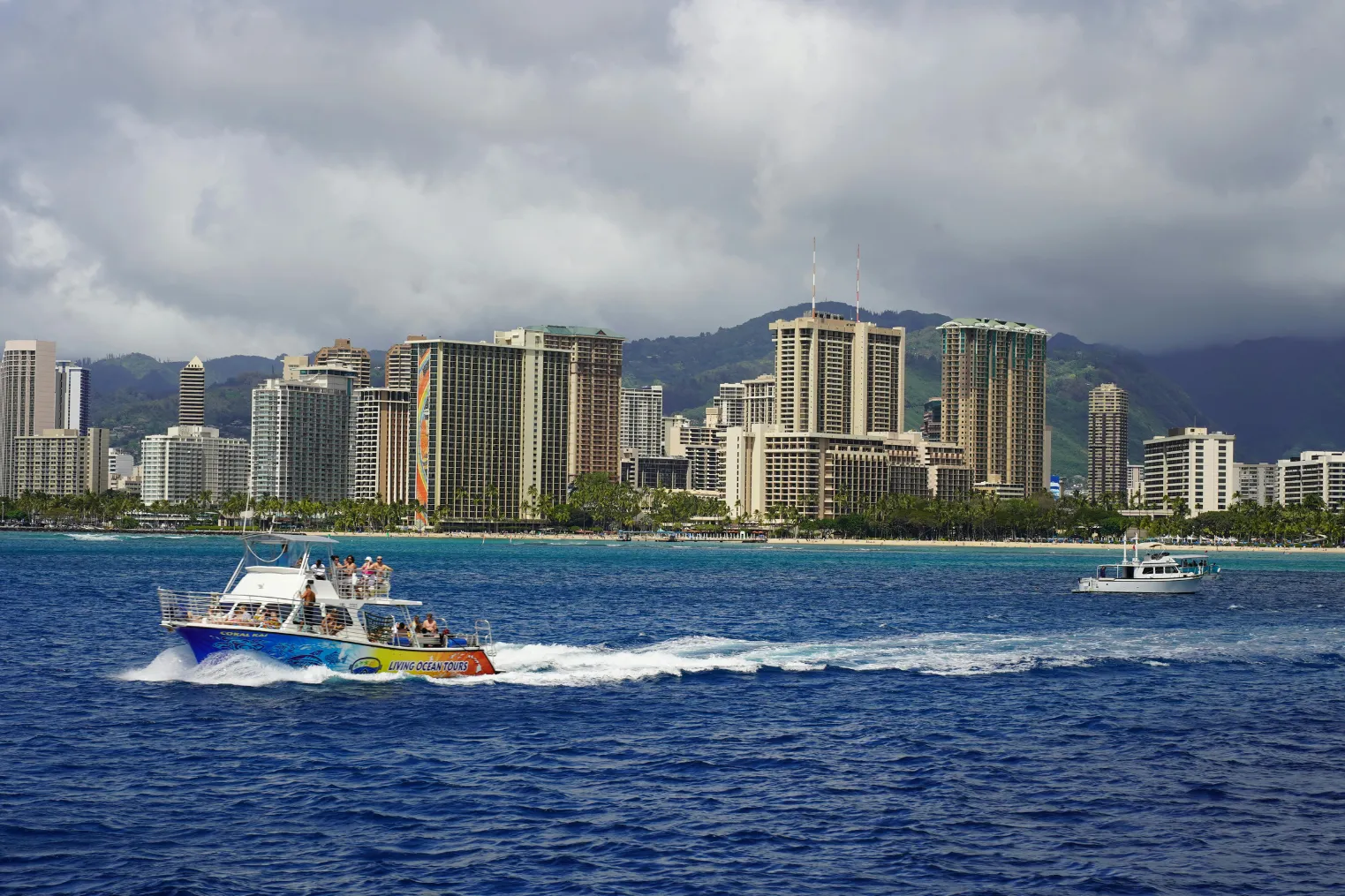
Where do these boats actually take you? On Glass Bottom Boats, you usually glide from a park dock or harbor to nearby shallow reefs, clear springs, or river heads. You might leave Silver Springs State Park for Mammoth Spring, or head from Key Largo or Key West toward reefs about seven miles offshore. Some captains pause right over the best patches, so you can study coral shapes, waving grass, and darting fish without craning your neck. At Kewalo Basin, glass-bottom tours also head out from Honolulu’s harbor waters to view the reef below.
| Launch point | Typical destination | What you notice |
|---|---|---|
| Park dock | Head spring | Sand boils |
| Harbor | Offshore reef | Coral gardens |
| Marina | River head | Manatees, fish |
Routes can shift with weather, and your captain follows safer water.
How Long Is a Glass Bottom Boat Tour?
Once you know the route, the next question is time. Most tours are pleasantly short. You can hop on a standard glassbottom boat ride and be back in about 30 minutes. At busy parks, those tours often run all day, leaving every 15 to 20 minutes, so you don’t wait long for the next window.
If you choose a longer reef or combo trip, plan on 45 minutes to about 2½ hours. Many of those tours spend 30 to 40 minutes getting to the viewing area, then give you 25 to 30 minutes over the best water before heading back. In Waikiki, a glass bottom boat tour is often designed to fit easily into a beach day or sightseeing schedule. Morning, midday, and afternoon departures are common, but schedules shift with the season and weather, so tour length can change a little from day to day.
What Happens Before You Board?
Arrive a little early and the whole outing feels easier. Plan on 30 minutes to check in at the kiosk, collect tickets or vouchers, and handle any park fee. Since walk-in spots can vanish, reservations must be on your radar, and some operators want details confirmed in person up to an hour ahead. For a smooth boat check-in, aim to arrive at least 30 minutes before departure, or earlier if your operator requests it.
| Task | Why it matters | Quick tip |
|---|---|---|
| Check in | Staff verify tickets | Keep ID handy |
| Ask access | Limited accessible slots | Call ahead |
Before boarding, tell staff about wheelchair needs, weather concerns, or transfer help. Leave pets behind unless they’re service animals. Expect stairs or ramps, then listen for the safety briefing. Bring sunscreen, a hat, and a spill-proof drink. Food stays off the boat, which saves everyone from a runaway cracker situation.
What Does the Boat Ride Feel Like?
You’ll likely feel a smooth, steady glide rather than much rocking, especially in a catamaran-style boat, and that’s good news if your stomach isn’t fond of surprises. As you settle into the cool enclosed cabin, you can watch reefs or springs slide past the glass while the engine hums low and the water outside flickers with light. On many Waikiki tours, the water is usually calm enough that the ride stays smooth unless wind or weather picks up. The ride usually moves at an easy pace for anywhere from a short outing to a longer trip, though weather can still change the plan and keep the captain on their toes.
Still comparing What Happens On A Glass Bottom Boat Tour?
Ask for tour ideas, hotel suggestions, or a simple trip plan that combines both.
Trip Helper
Smooth, Stable Motion
Usually, a glass bottom boat ride feels smoother than people expect. Your Boat often uses a catamaran-style hull, so it resists rocking and keeps the motion easy on your stomach. On reef trips, you’ll cruise gently for 30 to 40 minutes instead of bouncing through short bursts. In springs or rivers, protected water makes the ride even calmer. If accessibility matters to your group, asking about boat accessibility features before booking can help set expectations for boarding and onboard comfort.
| Setting | Why it feels steady | Typical timing |
|---|---|---|
| Reef tour | Twin hulls and enclosed lower cabins reduce sway | 30 to 40 minutes out |
| Spring or river run | Protected inland water has little wave action | Every 15 to 20 minutes |
Captains still watch wind and sea conditions closely, and they’ll cancel or switch to another boat when needed, which means you’re likelier to get smooth motion than surprises.
Views, Sounds, And Comfort
Once the steady ride fades into the background, the real fun starts below your feet. Through the glass Bottom panels, you watch coral heads, bright reef fish, sea turtles, and sometimes old underwater artifacts drift into view. Visibility can stretch from a clear 25-foot window to 80-plus-foot panoramas, so every stop feels a little different. In Oahu, Waikiki glass bottom tours are especially popular because the calm coastal waters and easy access make the ride comfortable for many visitors. You hear the crew’s narration, the low motor hum, and the soft slap of water against the hull. Most tours last 30 minutes to 2½ hours, with 25 to 40 minutes over the reef or springs. Shaded or air-conditioned cabins, seats, restrooms, and occasional snack bars keep you comfortable, though sun, wind, and a little spray still sneak in. Bring a drink with a lid, not lunch or glass bottles on board today.
How Stable Is a Glass Bottom Boat?
Because the whole point is to stare straight down at reefs and fish, most glass bottom boats are built to stay impressively steady. Many use twin hull catamaran designs, so you feel less side to side rocking than you would on a single hull. Heavy viewing cabins and a low center of gravity also calm the ride, which makes your Boat experience feel smoother and quieter. For travelers researching wheelchair accessible options in Waikiki, stability matters even more because a steadier platform can make boarding and onboard viewing feel more comfortable. Still, stability depends on the vessel and the weather. A big high speed catamaran feels planted, while a smaller 20 passenger boat may bounce in chop. Captains watch wind, waves, and lightning closely, and they’ll delay trips when conditions turn sloppy. If you’re prone to motion sickness, shorter 30 to 45 minute tours are often the gentlest bet.
What Can You See Through the Glass?
Through the glass, you can watch coral reefs glow with color as schools of fish flick past, and you might spot a sea turtle cruising by like it owns the place. In spring-fed waters such as Silver Springs, you can peer down at feeder springs, countless fish, and even old artifacts or movie props resting on the bottom. On reef tours, you may also catch sight of shipwrecks, brain and elkhorn coral, and other underwater scenes that feel close enough to touch, while you stay dry in your seat. In Waikiki, a colorful fish sighting is often part of the fun on a glass-bottom boat tour.
Coral Reefs And Fish
Magic sits just below your feet on a glass-bottom boat tour, and you don’t have to get wet to enjoy it. Through clear panels, you watch a Coral Reef unfold in crisp color. Elkhorn and brain coral rise like underwater sculpture, while parrotfish, angelfish, and sergeant majors flick through the scene. In places like Key West and the Florida Keys, visibility often stretches beyond 80 feet, so you catch structure, motion, and feeding behavior from an air-conditioned cabin. In Waikiki, these tours also showcase Waikiki reefs from the boat’s viewing panels. Most reef stops give you 25 to 30 minutes, which feels wonderfully nosy. Every glance reveals another surprise.
| You see | It feels like |
|---|---|
| Elkhorn coral | Golden antlers underwater |
| Brain coral | A maze with no walls |
| Parrotfish | Paint chips with fins |
| Angelfish schools | Confetti that learned direction |
Springs, Turtles, Shipwrecks
Reefs aren’t the only show under the glass. On spring tours, you watch clear water boil up from Mammoth Spring and smaller feeder springs that build the Silver River. Through the viewing ports, fish flash past turtles and waving plants, and the visibility can feel almost unreal. On reef cruises, your guide uses a short viewing window wisely and points fast to coral heads, wreck sites, and surprise movement in the blue. In places known for hidden shipwrecks, boats near Waikiki can reveal wreck sites just offshore without getting anyone wet. You might spot sea turtles gliding over the structure or hovering near a historic shipwreck remnant. Even better, you stay dry and cool while the guide narrates each find. It’s a little like peeking into another world through a giant moving window, minus the scuba tank and soggy hair for the ride.
Artifacts And Movie Props
Scan the riverbed and you’ll notice that not everything under the glass is natural. Through the Glass, you can spot pottery shards and stone tools linked to Native American communities, plus Spanish-era relics recovered near the springs. Clear water around feeder springs and Mammoth Spring often gives you the best look.
You might also catch movie props resting on the bottom, leftovers from Hollywood shoots at Silver Springs. Guides usually point them out and explain what belongs to which era, so you’re not left guessing whether that object is history or set dressing. Visibility changes with light, weather, and water clarity, so some days reveal more than others. Still, when the sun hits just right, the riverbed feels like a museum with fish as the security team below your boat. If you’re planning a similar sightseeing outing elsewhere, knowing how to get from Waikiki to Kewalo Basin Harbor can make the trip smoother.
What Is the Tour Narration Like?
What makes the narration so enjoyable is how quickly it turns the view below your feet into a story you can follow. Once you’re aboard one, the crew explains what you’re seeing through the glass, from sea turtles and reef fish to coral shapes, feeder springs, or old wreck features. For non-swimmers, this kind of narration makes the tour especially welcoming because they can enjoy the underwater world without needing to get in the water.
- You get clear natural-history notes on marine life, reefs, and protections.
- You hear how weather affects visibility, which can top 80 feet on good days.
- You catch practical updates on boarding, accessibility, safety, and park rules.
Longer trips usually add richer ecology, conservation tips, and time for questions. Shorter rides keep things brisk and focused. Either way, the guide’s voice helps the underwater scene feel vivid, legible, and wonderfully alive today.
Who Is a Glass Bottom Boat Tour Best For?
That lively commentary also hints at who enjoys these trips most. If you want snorkeling-style views without getting wet, you’ll fit right in. Families, grandparents, and little kids can watch marine life drift past the glass on rides that often last 30 to 120 minutes. Seniors may also appreciate comfort and seating tips that make a Waikiki glass-bottom boat ride easier to enjoy from start to finish.
| You are… | You might picture… |
|---|---|
| a non-swimmer | sea turtles gliding below your seat |
| a history buff | shipwreck shapes and old artifacts in clear water |
| someone with limited mobility | calm boarding, steady decks, easy viewing ports |
You’ll also like the stable catamaran feel if motion usually wins. Short, calm routes keep rocking low. Some boats even offer wheelchair-friendly slots or manual chair accommodations too. For groups, private charters and narrated eco-tours turn reefs, springs, and wildlife spotting into shared fun.
What Should You Bring?
Pack like you’re heading for a breezy, sun-bright ride, not a full beach day. You’ll want a few smart basics that keep boarding smooth and the viewfinding easy.
Pack light for a breezy, sunlit crossing, with just the easy essentials for smooth boarding and clear, happy sightseeing.
- Bring a closed-lid water bottle, plus reef-safe sunscreen. Many boats sell or provide reef-safe options, which saves bag space.
- Carry your valid ID and reservation confirmation. Plan to arrive at least 30 minutes early, and note that some parks ask for check-in one hour before departure.
- Toss in light layers or a light jacket. Decks can feel windy, even when the cabin is cool and air-conditioned.
A hat and polarized sunglasses can make glass bottom boat tours more comfortable by cutting glare during bright midday departures.
Leave pets at home unless they’re service animals. Skip food, glass containers, coolers, and open alcohol. If you need wheelchair access, please call ahead and reserve an accessible departure time.
What Rules Should You Know?
Before you step onto the glass bottom boat, you’ll want to know the ground rules that keep the ride smooth and safe. You can’t bring pets or snacks on board, drinks need a lid, and if you need wheelchair access, you should book one of the marked accessible boats or time slots ahead of time. You’ll also need to follow the crew’s instructions, board and sit safely on a moving boat, and stay flexible if wind, lightning, or rough weather changes the plan. Good onboard etiquette helps everyone enjoy the tour while protecting safety and comfort.
Boarding And Safety Rules
Since glass-bottom boats run on a tight schedule, arrive at least 30 minutes early to check in, collect your tickets, and confirm any reservation that needs to be finalized in person. Remember, boats leave promptly at the published time.
- Listen closely to the crew. You must follow directions from dock to departure.
- Be ready to board, sit steady on a moving vessel, and step off safely, with or without help.
- Know the basics. In the rare event of a capsize, you should be able to do simple self-rescue.
Weather can change the plan fast. Captains may delay, cancel, or swap boats for safety, especially when wind picks up. If you need wheelchair access, reserve an approved accessible boat early to avoid last-minute surprises ashore. Families bringing strollers should check stroller-friendly tips in advance, since boarding space and dock conditions in Waikiki may affect what works.
Food Pets And Access
Rules aboard a glass-bottom boat stay pretty simple, and that’s part of the charm. You’ll usually skip snacks, coolers, alcohol, and glass bottles, though a capped drink may pass. Pets stay ashore, but trained service animals can come if you keep control and follow crew directions. Tips usually aren’t included. If you’re driving, sorting out Waikiki parking before you arrive can make boarding feel much easier.
| Rule | What it means for you |
|---|---|
| Food and pets | Expect no picnic. Ask ahead about snacks and service animals. |
| Access and timing | Arrive 30 minutes early, reserve seats, and confirm wheelchair options, which are subject to change. |
Historic boats may require steps or a transfer. If the accessible boat isn’t running, you’ll want a backup plan. Weather can reshuffle everything. Walk-up spots are limited, and the dock feels calmer when you’ve sorted details before boarding.
Are Glass Bottom Boats Accessible?
While not every glass bottom boat can take a wheelchair, many operators do offer at least one accessible vessel, and that can make the trip much easier to plan. Still, you should check ahead, because the wheelchair-accessible boat may run only at certain times and can close for wind or weather.
- Look for specially marked accessible departures when you book.
- Reserve early if you need wheelchair space, since capacity is usually limited.
- Ask whether you can board safely, follow crew instructions, and transfer with help if needed.
You’ll usually find room for one manual wheelchair on the accessible vessel, while smaller or historic boats often can’t take chairs at all. Service animals are generally welcome. Pets and emotional-support animals usually aren’t on these tours. Some tours also offer hotel pickup options, which can make planning transportation easier if you need an accessible departure.
How Much Does a Glass Bottom Boat Tour Cost?
Most glass bottom boat tours are pretty affordable, especially for the standard 30-minute ride. You’ll usually pay about $17 for adults and $15 for seniors and kids ages 3 to 12. Little ones 2 and under often ride free, though some parks add a $2 admission fee per person. In Waikiki, glass bottom boat price often depends on whether you book a short scenic cruise or a longer specialty tour.
Boat tours run higher when you choose longer river trips or reef outings. An extended tour might cost around $35 for adults and $30 for seniors and children. Some reef catamaran cruises reach $55 for adults. Private charters can start near $200 and climb fast with group size. Add-ons like wetlands loops, snack stops, or beach breaks usually tack on $3 to $6 more. Bring a little extra cash for snacks or sunscreen too, onboard.
Do You Need Reservations?
When should you book your spot on a glass bottom boat? Usually, as soon as you know your travel day. Popular operators fill fast, and some tours won’t run unless enough passengers sign up.
Book your glass bottom boat as soon as your travel day is set, since popular tours can fill quickly.
- Reserve online when you can. You’ll often enter your total passenger count and may need to confirm in person one hour before departure time.
- Try walk-up tickets only if you’re flexible. Seats are limited, so arrive at least 30 minutes early.
- Book specialty rides ahead. Private charters and weekend extended tours often need reservations days in advance and may require minimum groups.
Before you click Book Now, check the cancellation policy. Some operators refund you with 24 hours’ notice. Weather delays usually mean a reschedule or refund for that day.
How Do You Choose the Best Tour?
You’ll choose the best tour faster if you match the boat to your day, whether that means a quick 30-minute glide over clear springs or a longer reef trip with more narration and time on the water. You should also check the practical stuff first, like price, child age rules, wheelchair access, and whether you need to book early for a limited accessible seat. Before you commit, scan the schedule, weather policy, and onboard extras so you don’t end up wishing for shade, a restroom, or a snack while the glass below flashes with fish and coral.
Tour Type Fit
Start by matching the tour to your pace, comfort level, and what you actually want to see through the glass. Short 30-minute rides work well if you’d rather save money, hop aboard often, and keep your time on the water light. Longer trips give you more chances to spot coral reefs, shipwrecks, springs, and more species of fish.
- Pick short tours for quick, gentle family outings and lower fares.
- Choose extended tours when narration and bigger sights matter more.
- Book enclosed catamarans if you want steadier rides, cool air, and wide viewing cabins.
In Key Largo or Key West, those enclosed boats feel calmer when the water gets playful. They’re great when nobody wants to snorkel but everyone wants the view.
Accessibility And Policies
Before you book, check the fine print on accessibility and onboard rules, because glass bottom boats vary more than the brochures let on. Wheelchair access is often limited. Some operators offer marked accessible sailings or room for one or two manual wheelchairs, but many smaller or historic boats can’t.
If you use a wheelchair, reserve the right vessel and arrive an hour prior, or at least 30 to 60 minutes early, to confirm boarding help. You should expect participation rules. You may need to follow crew instructions, transfer to a seat, stay seated, and handle self-rescue in an emergency. Service animals usually can come. Pets usually can’t. Wind can ground accessible boats, so check weather, schedules, and cancellation policies before you fall in love.
Frequently Asked Questions
Can You Bring Food and Drinks on Board?
Usually, you can’t bring food and drinks on board, though some operators allow covered beverages. Packed snacks are often prohibited, while onboard snack bars may sell options. You should check your tour’s policy before booking.
Are There Restrooms Available on the Boat?
Yes, you’ll often find restrooms on larger glass bottom boats, especially longer tours. Restroom availability varies, though, so check your operator before booking. Smaller or historic boats may not have them, and accessible options differ.
What Happens if the Weather Turns Bad?
If weather turns bad, you’ll follow Safety procedures as the captain evaluates conditions. They may pause, reschedule, or cancel your tour. Light rain passes, but lightning, strong winds, waves, or low visibility usually stop trips.
Can You Take Photos Through the Glass Panels?
Yes, you can take photos through the glass panels, and you’ll often capture fish and turtles clearly. To reduce Underwater reflections, press your lens against the glass, turn off flash, and steady your camera firmly.
Will You Get Seasick on a Glass Bottom Boat?
No, you probably won’t, as the boat glides, barely rocking, over water. If you’ve got Motion sensitivity, short rides, mid-ship seats, hydration, and calm weather keep you comfortable, though rough ocean conditions can unsettle you.
Conclusion
By the time you step back onto the dock, you’ve watched a hidden world slide past beneath your feet. On many tours, the captain stops for 20 to 30 minutes over the best reef or spring, which gives you real time to spot turtles, fish, and rippled sand. You’ll hear the engine hum, feel the shade and salt air, and leave knowing whether this easy, dry adventure belongs on your next trip list for sure.