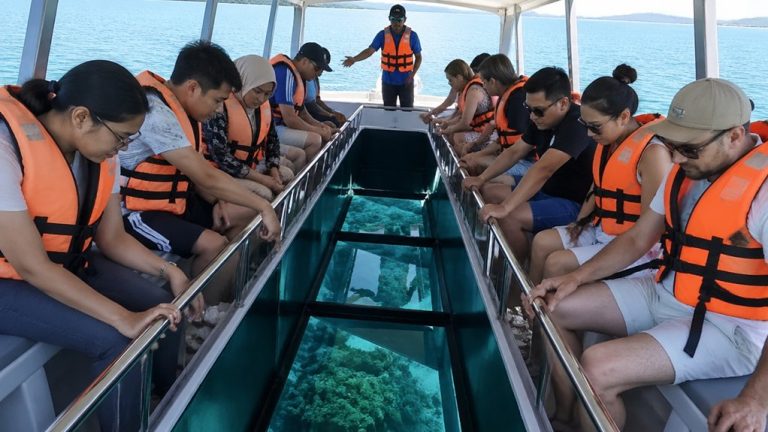
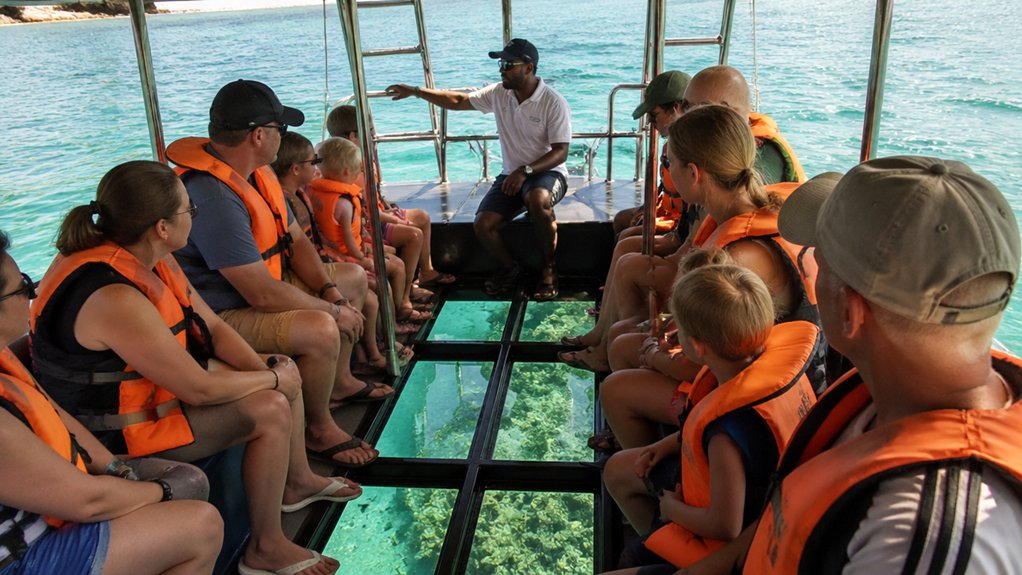
A glass bottom boat feels like a moving window cut into the sea. You hear the engine hum, feel the deck rock under your shoes, and watch fish slide past the thick glass below. It’s a simple thrill, but safety shapes every good tour, from boarding with a steady hand to staying seated when the water gets bouncy. Before you book a seat and scan for turtles, a few smart checks can make all the difference.
Key Takeaways
- Choose a U.S. Coast Guard-inspected boat with a licensed captain, and confirm passenger limits before booking.
- Check that thick laminated marine glass is regularly inspected, and follow crew rules to stay seated and off the glass.
- Children under 90 pounds must wear Coast Guard-approved life jackets the entire trip; infants also need jackets and count toward capacity.
- Ask about boarding stairs, wheelchair transfer help, and lower-cabin access, since many glass bottom boats are not fully accessible.
- Expect calm, short harbor routes, but bring sun protection and consult a doctor beforehand if you are prone to motion sickness.

Oahu Grand Circle Island Experience from Waikiki
Enjoy Grand Circle Island experience tour with breathtaking views of Amelia Earhart Lookout on Diamond Head, admire Chinaman’s Hat in front of Kualo...
Oahu Circle Island Snorkeling Tour: Dole, Pali Lookout & More
Looking for the BEST VALUE & MOST COMPLETE Circle Island Snorkeling Tour? Join us for the ultimate full-day, action-...

Oahu: Full or Half Day Grand Circle Island Tour
Choose from two exciting ways to experience Oahu's top attractions, scenic beauty, and local culture.Option 1: Dol...

Parasailing Experience in Waikiki, HI
Experience the thrill of Oahu parasailing on this unforgettable 1-hour adventure from Waikiki. Soar up to 1,000 feet...
How Safe Are Glass Bottom Boat Tours?
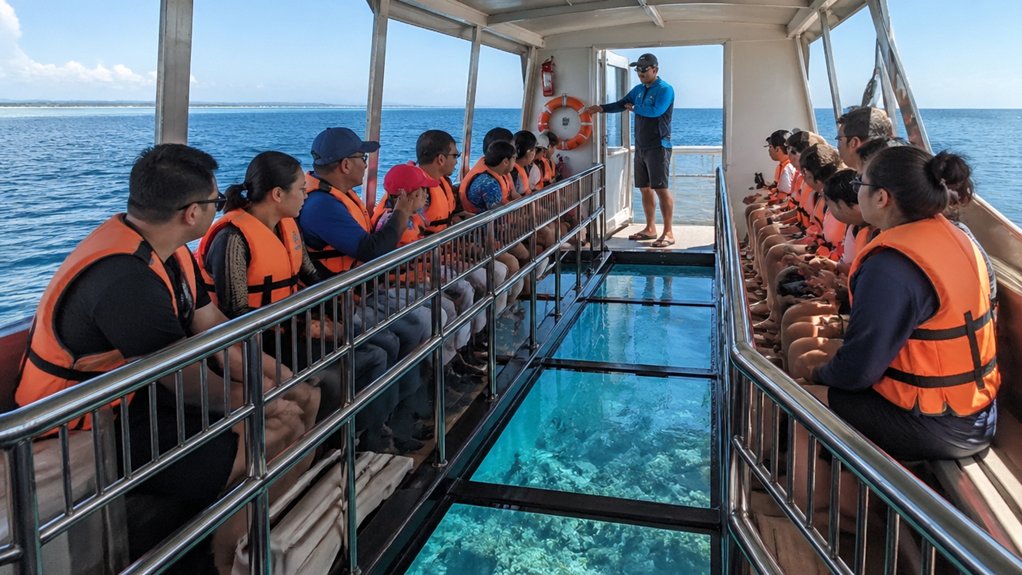
Because these tours stick to sheltered water and follow tight rules, glass bottom boat rides are generally very safe for most passengers. Many operators run U.S. Coast Guard inspected vessels with licensed captains, and they cruise inside protected areas where waves stay mild and the ride feels steady. That calm water also makes seasickness less likely, so you can focus on fish flashing past the glass window instead of your stomach. Glass bottom boats also limit passenger numbers, which helps avoid crowding and keeps the cabin comfortable. The main caution involves mobility. You often need to manage steep stairs and bench seating to reach the viewing area, though staff may help with transfers. If that’s a concern, check accessibility before booking for the best safety fit. In Waikiki, wheelchair accessible options may be possible on some glass-bottom boat experiences, but accessibility features vary by operator.
What Safety Rules Should You Expect Onboard?
Before you step aboard, you should expect clear life jacket rules, especially if you’re traveling with children under 90 pounds, who must wear one for the whole trip. You’ll also notice that movement onboard comes with limits, from careful boarding to steep stairs leading down to the viewing area, where staff may help but access can still be tricky. Add in the no-jumping, no-swimming policy and the calm water inside the harbor, and you can see how the tour keeps things smooth, safe, and pleasantly free of surprises. Following basic onboard etiquette also helps everyone enjoy the ride safely and respectfully.
Life Jacket Requirements
A few life jacket rules shape the trip from the moment you step aboard, and they’re easy to follow. You’ll see that Coast Guard rules guide the crew, so the life jackets onboard match federal and local standards.
- Children under 90 pounds wear life jackets for the whole trip.
- Child sizes are provided, so you won’t need to pack one.
- Adults over 90 pounds can use jackets, though they’re mainly for emergencies.
- Babies get a provided jacket too, and they count toward passenger limits.
- If you have questions, the crew will help fit straps snugly and comfortably.
That setup keeps the ride calm and practical. You can focus on the clear water below, the boat’s soft hum, and your own small splash of curiosity. If accessibility matters to your group, ask about boarding assistance before the trip so everyone knows what to expect.
Boarding And Movement Rules
Step aboard with your eyes open and your hands free, because the boarding routine is simple but specific. You’ll use a single boarding ramp, then handle one small step and four regular steps down to the deck. If you’re bringing a stroller, ask the crew about stroller-friendly tips before boarding so you can keep the ramp area clear and follow their directions safely. Listen to the crew on the way in and out. They keep traffic smooth and safe.
If your child weighs under 90 pounds, they must wear a life jacket the whole trip. Others can access one in an emergency. For underwater viewing, you’ll head downstairs on steep stairs and hold the handrails. Once below, sit on the benches. Don’t stand on the glass, and don’t try to watch from the top deck. Dogs can stay aboard, but not downstairs. The harbor stays calm, so save swimming, snorkeling, and cannonballs for later.
How Does Glass Bottom Boat Boarding Work?
Boarding starts off simply at a small dock or ramp, where you’ll take one short step and then a few regular stairs with handrails down onto the deck. Crews from tour operators usually lend a hand, so the process feels calm, not chaotic. Keep these Frequently Asked basics in mind before you settle in for the glass views:
- Expect a short stair descent.
- Bring two adults if a child, baby, or wheelchair transfer needs extra support.
- Children under 90 pounds must wear life jackets all trip.
- Adults can use provided jackets in emergencies.
- Dogs and infants count toward capacity, and infants need jackets too.
You’ll also board inside the harbor breakwall, which keeps departure smooth and close to the dock for easy timing there. For the smoothest check-in, plan your arrival time with your glass bottom boat experience in mind so boarding stays easy and stress-free.
Still comparing Glass Bottom Boat Safety: What To Know?
Ask for tour ideas, hotel suggestions, or a simple trip plan that combines both.
Trip Helper
Can You Move Around During the Tour?
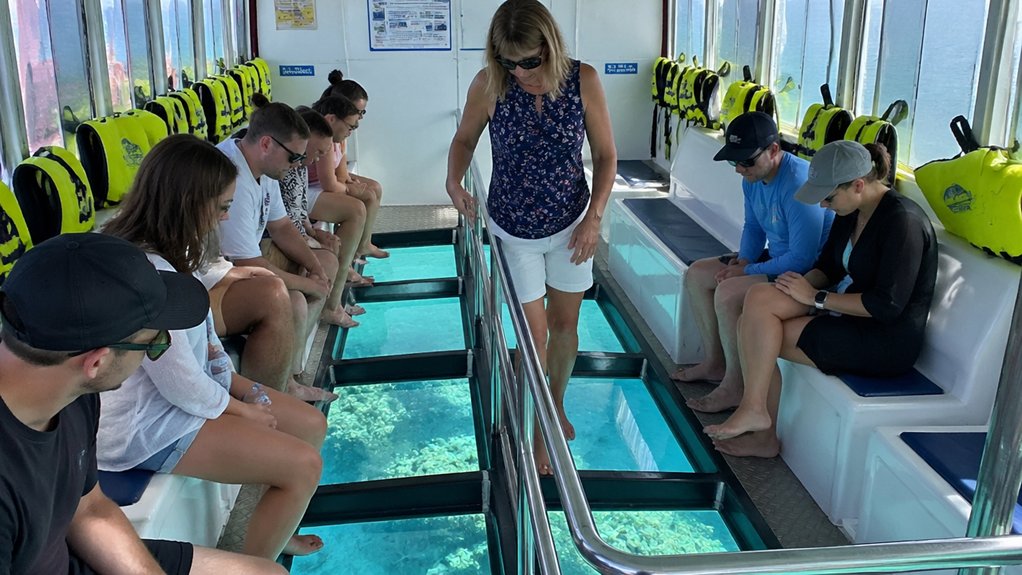
Yes, you can usually move around during the tour, and you may even head to the bow for sun, sea spray, and a photo or two if the crew says there’s room. To see the reef below, though, you’ll need to sit on the downstairs benches because you can’t stand on the glass or watch the underwater windows from the top deck. For non-swimmers, this setup is ideal because you can enjoy the underwater views without needing to get in the water. Watch your step on the steep stairs, follow crew directions if they rotate guests in small groups, and remember your dog has to stay upstairs with someone.
Safe Passenger Movement
Usually, you can move around the boat during the tour, which is part of the fun, but you’ll want to do it with a little care. You can roam the upper deck, step to the bow for photos, and enjoy tropical fish without getting wet, even on a Whale Watching trip.
- Use handrails on the steep stairs.
- Bring another adult if you’re carrying a baby.
- Move slowly if anyone has mobility challenges.
- Keep life jackets on children under 90 pounds.
- Follow crew directions if viewing shifts add time.
For safer sightseeing, ask the crew about the best seats so you can settle in where marine life viewing is easiest and movement is less frequent. Wheelchair access can be tricky because docks, doors, and stairs are narrow or steep. Staff often help with transfers, but not everyone can safely go below. Stay attentive as the boat rocks and people shuffle around.
Seating And Viewing Access
For most of the trip, you’re free to wander a bit and find the view that suits you best. You can move around the upper deck, head to the bow for photos, and settle onto cushioned benches upstairs or below. The bench arrangement gives nearly everyone a window seat, though some boats place six people around each viewing window. Downstairs access is tighter. Usually only about 10 passengers can enter at once, so crews rotate groups if needed. Expect steep stairs and handrails if you have mobility concerns or small kids in tow. Once below, follow viewing etiquette: sit on the benches and keep off the glass. For pet accommodations, plan for one person to stay upstairs with your dog, since pets can’t go below. On longer outings, ask ahead about restroom facilities, since glass bottom boats do not always have bathrooms on board.
Are Glass Bottom Boat Windows Safe?
Although peering through the floor can feel a little wild at first, glass bottom boat windows are built with safety in mind. You’re looking through thick laminated marine glass made for pressure, salt, sun, temperature swings, and bumps. These panels can be impressively big, sometimes around six feet by two feet, yet they’re engineered for heavy use and clear underwater views day after day at sea.
Glass bottom boat windows may feel daring, but thick laminated marine glass is built for pressure, weather, and daily ocean use.
- Thick, often curved panes spread stress.
- Large laminates stay clear and durable.
- You sit on benches, not on glass.
- Licensed captains run Coast Guard inspected boats.
- maintenance inspections catch wear before laminate failure.
That design follows strict manufacturing standards, so you can focus on fish flashing by instead of wondering if the window can handle one more wave slap. It’s also smart to review the boat operator’s refund policy before your trip so you understand your options if plans change.
What Should You Wear on the Boat?
You’ll want comfortable non-slip shoes so you can board safely and handle the steep stairs to the underwater viewing area without skating across a wet deck in flip-flops. Dress in light layers, add a long-sleeve shirt or light jacket for cool harbor breezes, and top it off with sun-protective clothing, a hat, and reef-safe sunscreen for bright time on the upper deck. If you’re bringing children under 90 pounds, dress them in easy layers since they’ll need to wear the operator’s life jacket for the whole trip, and skip bulky or loose clothes that can catch on handrails. For a Waikiki glass bottom boat tour, quick-dry clothing and secure sandals or water shoes can make the outing more comfortable if sea spray or light splashes are expected.
Comfortable Non-Slip Footwear
Start with shoes that can handle a little spray and a slick deck without turning each step into a balancing act. On a glass bottom boat, closed-toe, non-marking shoes with textured rubber soles give you steadier footing on wet ramps, narrow docks, and steep stairs. If you’re heading down to the viewing benches, pick pairs with ankle support. Quick dry footwear made from synthetic materials or treated leather stays practical, saltwater resistant, and ready for another harbor run. Your feet will thank you later. Trust me. If you’re prone to motion issues, pairing solid shoes with a spot where you can stay steady can help reduce discomfort during the tour.
- Closed toes protect your feet while boarding
- Rubber tread grips wet decks and painted ramps
- Skip flip-flops and high heels on steep stairs
- Secure fit matters for kids wearing life jackets
- Loose straps can slip off fast during movement
Light Layers And Sun Protection
Once your footing’s sorted, think about what the rest of you is wearing. Start with lightweight layers: a T-shirt and a thin windbreaker give you easy layering tips for calm water that still feels breezy on morning or evening runs. Covered viewing areas cut some glare and heat, but the bow and upper deck stay bright, so sunburn prevention matters. Apply broad-spectrum SPF 30+ before you board, then stash a small refillable bottle for touch-ups.
Add polarized sunglasses for clearer reef views and sharper photos through the sparkle. A wide-brimmed hat helps too, but don’t trust luck for hat retention. Use a strap so a gust doesn’t send it skittering away. Skip long, flowing pieces that can catch on rails or flap like flags. Bring a small day bag for boat tour essentials like sunscreen, sunglasses, and an extra layer so everything stays within easy reach.
Life Jacket Considerations
Usually, the next thing to think about is flotation, because what you wear on a glass bottom boat can matter as much as your shoes and sun gear. Life jackets are onboard, and if you weigh over 90 pounds, you can still ask for one.
- Kids under 90 pounds must wear one all trip.
- For babies, buy child tickets and check child fitting.
- Secure zippers, buckles, and straps so nothing rides up.
- Bring extra adult supervision for infants on steep stairs.
- Tell crew about mobility needs and watch emergency signage.
That snug feel should be firm, not pinchy, while you listen to the engine hum and step carefully below deck. If stairs or boarding look tricky, crew can help you move safely on and off. If you are carrying bulky baby gear or mobility aids, planning Waikiki parking ahead of time can make boarding and stair access easier.
What Should You Bring on a Glass Bottom Boat?
Often, the best things to bring on a glass bottom boat are simple ones that keep you comfortable and ready to look down the whole time. Pack a hat, sunscreen, sunglasses, and a light jacket because breezy decks can feel cool during a 30-to-50-minute trip. Use a small backpack for your water bottle, tickets, and other basics so your hands stay free on stairs. Bring waterproof storage for your phone or camera, and think about photo composition before sea lions, pelagic birds, and reef fish glide past the windows. For families, child entertainment can be as easy as letting kids count fish or spot colors. If you’re bringing children under 90 pounds, you’ll get required Coast Guard-approved life jackets onboard for them. If you’re joining a Waikiki tour, confirm hotel pickup options before you go so your day starts smoothly. Enjoy every splash.
Do Glass Bottom Boat Tours Cause Seasickness?
You’ll usually find that glass bottom boat tours in calm spots like King Harbor or near Kailua-Kona Pier feel smooth, with gentle water, short 30 to 50 minute rides, and little wave action to stir your stomach. In places like Waikiki, riders often ask about rough water, but these tours are generally fairly smooth unless trade winds or swells pick up. If you’re sensitive to motion, you might notice mild discomfort on a longer trip, especially if extra downstairs viewing time adds about 10 minutes, but most passengers and even many young kids do just fine. To stay comfortable, you should ask your doctor about motion sickness prevention before you go, since no medicine is sold onboard and you’ll want to keep your eyes on the fish instead of the horizon.
Calm Water Conditions
Generally, glass bottom boat tours feel calm because they stay inside sheltered breakwalls or bays where the water moves more like a gentle sway than a rolling sea. You glide near the dock and over shallow reefs, so the ride stays smooth and the views stay sharp.
- Protected bays keep wave action low.
- Short 30 to 50 minute routes feel easy.
- Shallow water supports excellent glass clarity.
- You spot sheltered ecosystems close below.
- Light engine noise rarely steals the moment.
Because operators stay in nearshore water, you spend less time bouncing around and more time watching fish flash over coral. Life jackets are onboard, and severe trouble is unlikely. If you’re traveling with kids, a quick doctor check can still offer peace before you board. In Waikiki, many glass-bottom boat tours are designed around this same calm, scenic style of nearshore viewing.
Motion Sickness Risk
Because these tours stay tucked inside protected harbors and breakwalls, seasickness is uncommon and the ride usually feels more like a slow harbor glide than a choppy boat trip. Public outings usually last just 30 to 50 minutes, so your inner ear has less time to protest before the dock comes back into view. Most guests experience easy sensory adaptation as they watch fish flash below the glass and hear only light engine hum. Still, no boat ride is a total free pass. If you’re sensitive to motion, recent food, alcohol, anxiety, or simple inner ear quirks can stir symptoms. Operators may use pre boarding screening to flag concerns. Kids under 90 pounds wear life jackets for safety, not stomach magic. Reported cases are rare, which is nice news when the water looks almost sleepy. Choosing a best time of day with calmer Waikiki conditions can make the ride feel even steadier for sensitive guests.
Prevention And Comfort
That low risk gets even lower when you plan for comfort before the boat leaves the dock.
- Pick harbor tours in protected water, where the ride usually feels smooth and quiet.
- Expect only 30 to 50 minutes onboard, so your stomach gets less time to complain.
- If you’re motion sensitive, ask your doctor about preventive medication before boarding, since none is sold onboard.
- Use hydration reminders, temperature regulation, and sensory distractions like horizon watching or cool sea air.
- If your child weighs under 90 pounds, the life jacket stays on; snug straps can feel annoying, so adjust early.
Choosing a morning departure can also help some passengers enjoy calmer water and a gentler ride in Waikiki.
Even when larger groups add about 10 extra minutes, most passengers stay comfortable and curious. You’ll focus on fish flashing below the glass, not your stomach.
Who Is a Glass Bottom Boat Tour Best For?
Who gets the most out of a glass bottom boat tour? You do if you want reef views without getting wet. These trips fit families, grandparents, non-swimmers, and anyone who likes steady rides, family friendly features, and educational programs. On many Waikiki tours, glass-bottom viewing lets first-timers watch coral and fish without entering the water. You’ll hear the narrator, spot flashing fish, and enjoy quiet observation areas with little effort.
| You are… | Why it fits | Watch for |
|---|---|---|
| Family group | All ages can share the view | Babies count toward limits |
| Non-swimmer | You stay dry and still see plenty | Underwater stairs may be steep |
| Motion-sensitive traveler | Protected routes feel smooth | Pick a seat early |
| Small group explorer | Most seats feel close to the windows | Tours vary by operator |
If you bring a calm dog, bring backup upstairs too.
How Can Kids Ride Safely?
Kids usually love the glass panels and the running play-by-play from the narrator, but a few simple rules keep the ride easy and safe.
- Keep kids in life jackets if they weigh under 90 pounds. Child sizes are provided.
- Choose stair free seating first if younger kids seem wiggly or tired.
- Treat the underwater cabin like supervised play, not a race to the best window.
- Only about 10 passengers can go downstairs at once, so rotate calmly.
- Use handrails, follow audible announcements, and ask staff to help on steep stairs.
- If grandparents are coming along, prioritize comfort and seating so kids can stay close to family without crowding the stairs.
If you’re traveling with a dog, plan for one adult to stay upstairs with kids during viewing turns. That keeps everyone settled and leaves more room for reef gazing instead of hallway herding today.
Are Glass Bottom Boat Tours Safe for Babies?
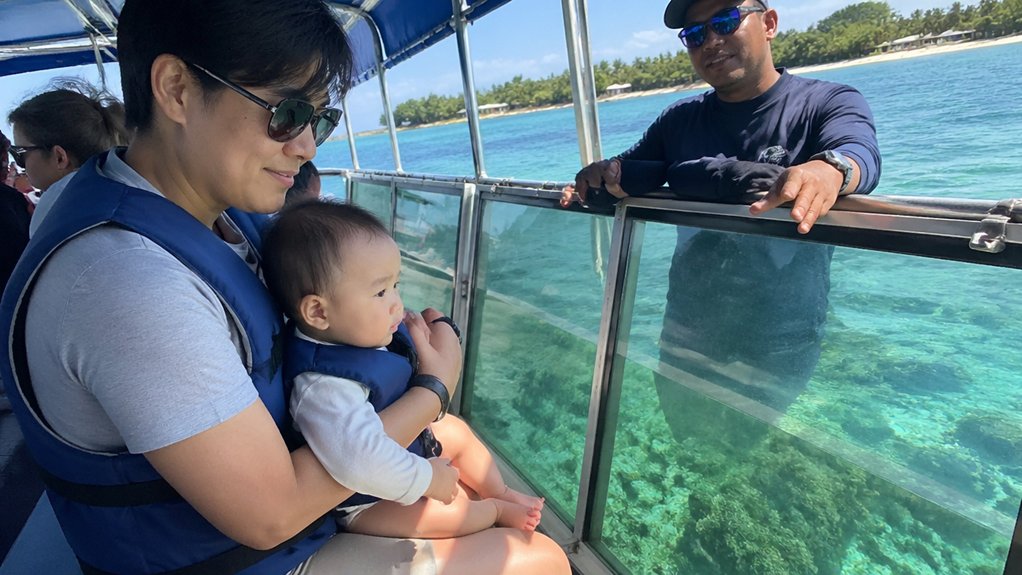
Yes, babies can ride a glass bottom boat safely if you plan for the basics before you board. You’ll need a child ticket, and your baby must wear the provided life jacket the whole trip, which supports infant buoyancy and counts toward the passenger limit.
Pick a short route in calm harbor water if you can. Sheltered water usually means less rocking, less fussing, and a better chance that tiny tummies stay settled. Keep your feeding schedule in mind, pack diapers, snacks, and sun protection, and ask about stroller storage before you arrive. The stairs to the viewing area are steep, so bring another adult if possible and use the handrails. If downstairs feels like too much, one adult can stay upstairs with your baby and enjoy the breeze.
Are Glass Bottom Boat Tours Accessible?
Often, glass bottom boat tours aren’t fully accessible, so it’s smart to call before you book and ask specific questions about the dock, boarding steps, and the underwater cabin.
Many glass bottom boat tours have access limits, so call ahead and ask about docks, boarding, and the underwater cabin.
Before reserving, check:
- Dock width and boarding stairs for wheelchair transfers.
- Whether crew can help you move to a seat safely.
- If the underwater doorway and steep stairs block the lower cabin.
- Bench seating downstairs, since you won’t stand on glass.
- service animal policies, child life jackets, and whether another adult should stay upstairs.
Many boats can welcome you on deck, where salt air and engine hum set the scene, yet the lower viewing room remains the real pinch point. A quick call saves surprises and helps you plan with confidence.
What Wildlife Safety Rules Should You Follow?
Always treat a glass bottom boat like a small moving lookout, where calm habits protect you, the crew, and the wildlife below. For Wildlife viewing, stay seated in the underwater area, keep your hands off the glass panels, and leave room for others since only about 10 people should be downstairs at once. Use handrails on the steep stairs, especially when the harbor rocks a little. Distance keeping matters too. You shouldn’t swim, snorkel, or jump off the boat inside the breakwall, where the tour stays in King Harbor’s protected waters. Feeding prohibition is simple: don’t toss snacks or try to attract animals. Keep dogs upstairs and under control, and keep kids in life jackets the whole trip. Curious eyes work best with bodies.
How Do You Choose a Safe Tour Operator?
Smart wildlife habits matter even more when you book with an operator that runs a tight ship. Before you pay, ask practical questions and listen for clear answers while the harbor is still shiny.
- Look for U.S. Coast Guard inspected boats and licensed captains. That shows Regulatory compliance and solid oversight.
- Check Passenger limits, like 19 or 27 guests, and ask whether viewing groups stay around 10.
- Confirm life jackets are onboard, and remember children under 90 pounds must wear one the whole trip.
- Ask if the route stays inside a harbor breakwall. Calmer water means less seasickness and an easier return to the dock.
- Do Accessibility checks on boarding, dock width, steep stairs, wheelchair limits, and staff help. Your knees will thank you.
Frequently Asked Questions
Is There a Restroom Available on the Boat?
Yes, you’ll often find a restroom onboard, but you should confirm before booking. Ask about restroom location, restroom accessibility, and restroom cleanliness, especially on smaller boats. If there’s none, use dock facilities there before departure.
What Happens if Weather Conditions Change During the Tour?
If weather shifts, you’ll stay protected: captains watch, captains react. During unexpected squalls or visibility reduction, they’ll make route adjustments, slow down, keep you upstairs for scenic cruising, return early, or cancel, your safety comes first.
Can You Bring a Camera or Phone Onboard Safely?
Yes, you can bring a camera or phone onboard safely if you secure it with phone straps, use waterproof cases, skip leaning over railings, and choose gear; shock mounts help protect devices while filming downstairs.
How Many Passengers Are Allowed on Each Tour?
Like a well-packed puzzle, you’ll usually ride with up to 19 passengers on public tours. Your group size includes children, and operators balance weight limits and seating capacity. If downstairs fills, they’ll split viewing groups.
Where Can Passengers With Mobility Issues Be Dropped Off?
You can use curbside pickup at King Kamehameha’s Kona Pier entrance for accessible boarding, then have your designated companion park across the street at hotel lot. If you’re leaving from Honokohau Harbor, call for arrangements.
Conclusion
You might board thinking a glass bottom boat sounds a little wild, but the theory fades fast once you see the setup. The captain checks every step. The glass feels thick and solid under your shoes. Life jackets rustle. The crew keeps traffic calm below deck. Then water flashes turquoise and a turtle slides past the window. When you choose a licensed operator and follow the rules, the ride feels more practical than daring today.